REHR Center Team
Co-Directors
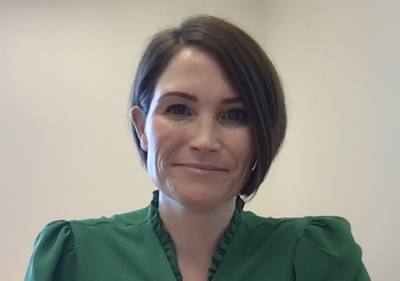
Danielle Denardo, PhD
Danielle Denardo received her PhD in Sociology from the University of Colorado Boulder. Her research examines health, stigma, and social inequalities in Africa and North America, with current projects focused on health-related behaviors and the lived experiences of health conditions within different epidemic and social policy contexts. Her scholarly work also extends to sociological pedagogy, including a forthcoming book chapter that uses horror and dystopian films to explore key concepts and theories in medical sociology. She teaches courses on health disparities, race and ethnicity, families, and research methods, and has also taught Learning Clusters on topics including COVID-19 and global inequalities, medical racism and violence against women, and period poverty.
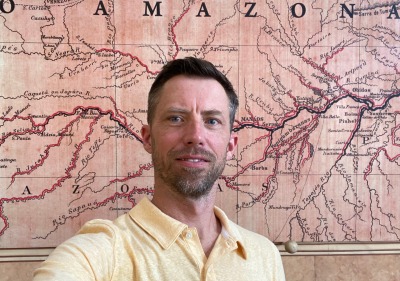
Ian Read, PhD
Ian Read is Professor of Latin American Studies at Soka University of America and inaugural co-director of the Center for Race, Ethnicity, and Human Rights. His research focuses on the social and medical history of Brazil, especially slavery, race, and public health, and he is the author of The Hierarchies of Slavery in Santos, Brazil, 1822–1888 (Stanford University Press) as well as numerous articles on inequality and disease in the Americas. At Soka, he has led the REHR Center in advancing interdisciplinary dialogue, research, and public engagement on issues of race, ethnicity, and human rights, while also developing international programs that connect students to questions of sustainability, justice, and global citizenship.
Faculty Fellows
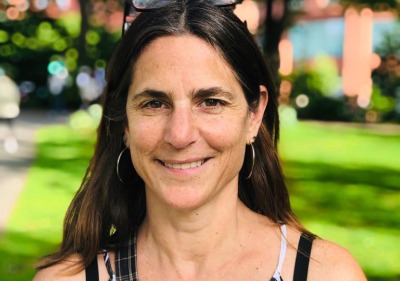
Sarah England, PhD
Sarah England is Associate Professor of Anthropology. She received her BA in Anthropology from the University of Texas at Austin, and PhD in Anthropology from the University of California at Davis. Her research focuses on the region of Central America and issues related to inequality, racial identities, immigration, and gender violence. She has conducted research on Garifuna (Afro-Indigenous-Honduran) social movements and immigration to the United States which has been published in several journal articles as well as in the ethnography Afro-Central Americans in New York City: Garifuna Tales of Transnational Movements in Racialized Space (2006). She has also written about dougla (mixed Afro and Indo-Trinidadian) identities and politics. Her second book Writing Terror on the Bodies of Women: Media Representations of Violence against Women in Guatemala (2018) and several articles explore the topic of gender-based violence in Guatemala. Her current project looks at immigration to Costa Rica from both the Global North and Global South, how those flows intersect in gentrifying and tourist areas of the beaches of Guanacaste, and how debates about these flows of people engage with discourses of Costa Rican national/racial identity and "exceptionalism."
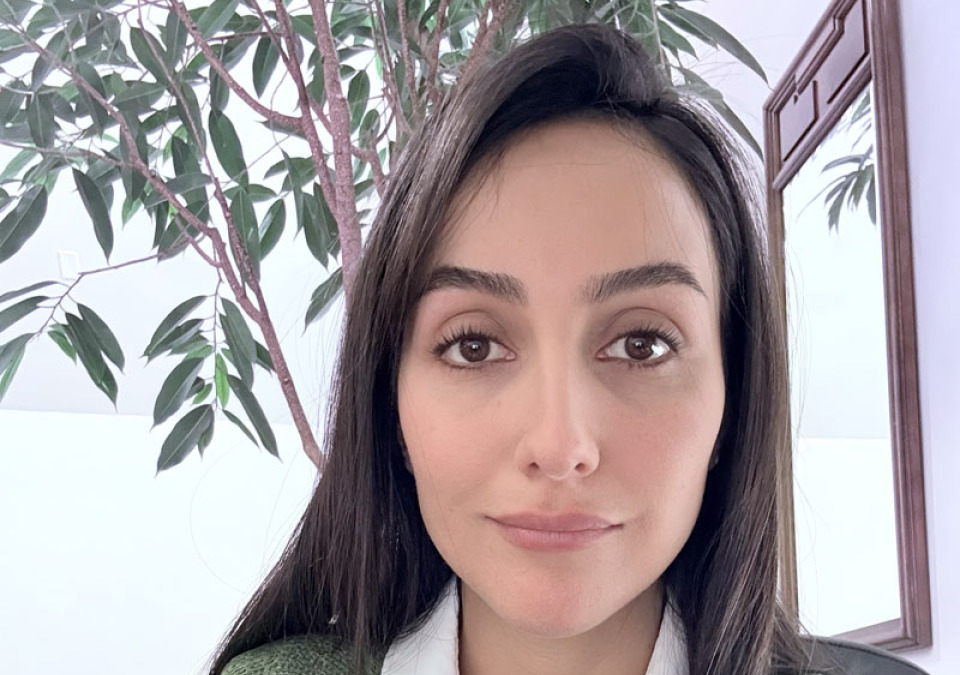
Foroogh Farhang, PhD
Foroogh Farhang is an anthropologist and a Middle East scholar. She received her PhD in Cultural Anthropology from Northwestern University. She also holds an MA in Gender Studies from Central European University. Her research examines uprisings, displacement, borders, death and burial, and humanitarianism in the Middle East. Since 2013, she has conducted ethnographic research in Lebanon and Iran, including Eastern Kurdistan. Her scholarly and public-facing work has appeared in Comparative Studies in Society and History, Jadaliyya, and Anthropology News. She has also coauthored a policy paper on cities and climate migration with the International Organization for Migration (IOM) and the Global Parliament of Mayors. Her current book project draws on eighteen months of fieldwork with Syrians, Lebanese, and Palestinians in Lebanon’s border regions. Following displaced Syrians’ efforts to secure proper burial in exile, it explores how practices surrounding death and burial generate new forms of community and care beyond the formal structures of the refugee regime. Before joining Soka University of America, she taught at the University of Vermont, Brown University, and Northwestern University.
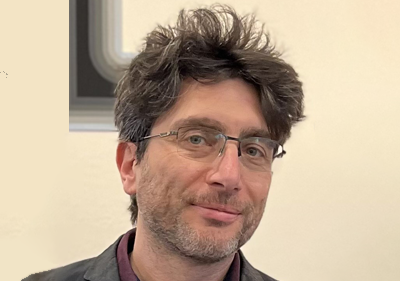
Oleg Gelikman, PhD
Oleg Gelikman received his PhD in Humanities (Comparative Literature) from the Humanities Center at Johns Hopkins University. He is an Associate Professor of Comparative Literature at Soka University of America and served as Director of the Humanities Concentration. His primary field of expertise is the aesthetics of prose from Enlightenment to Modernism. His interests include critical theory, conceptual history and history of criticism (formalism and semiotics). His articles appeared in Angelaki, boundary 2, Comparative Literature and Culture, MLN and edited collections (Modernism and Theory; Modernism and Film; Messianic Thought Outside Theology). He also translated theoretical texts from Russian and French. His current project, Inceptions of the Political, concerns retrieval of names, concepts and figures immobilized or elided in the vernacular of political theory.
Student Fellows
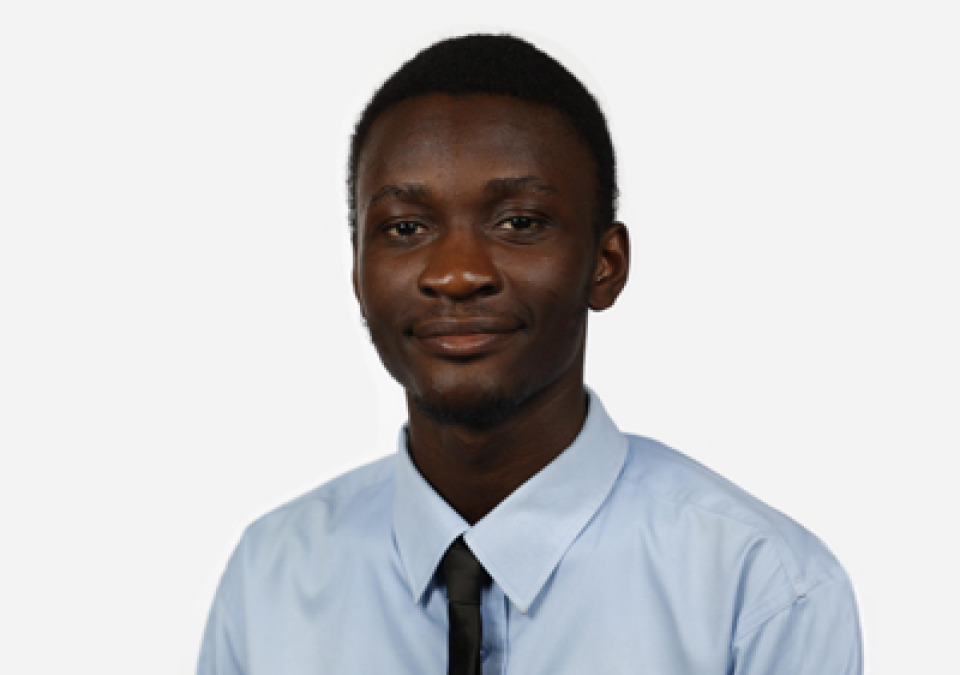
Eselasie Akpablie
I am a second-year Social and Behavioural Sciences student from Ghana at Soka University of America (Class of 2029). Growing up in Ghana, I witnessed how unequal access to healthcare, education, and information shapes people's opportunities, which led me to view human rights not as abstract ideals but as issues concretely tied to access and the systems that govern everyday life.
My perspective developed through my experiences in data science, research, and community-based technology. Hack the Hood, a nonprofit sociotech organization in Oakland, California, sparked my interest in technology as a social and cultural force, especially how AI can reproduce or amplify existing inequalities and influence whose knowledge and voices are represented. My health research with a medical team in Ghana's Volta Region reinforced this, showing me how communities can face preventable health challenges despite resources existing elsewhere. Together, these experiences shaped my interest in the intersection of public policy, technology, and human rights.
As a Student Fellow, I hope to help the REHR Center foster meaningful dialogue around race, ethnicity, technology, and human rights, bringing an interdisciplinary perspective while learning from my peers and exploring how technology and data can be used responsibly to understand and challenge inequality.
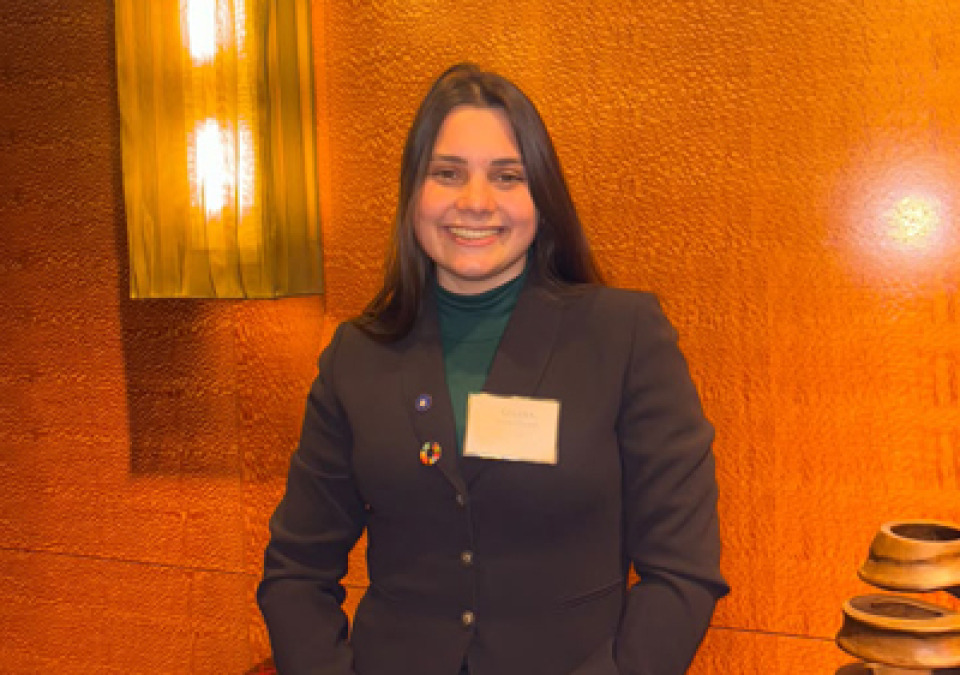
Morgana Donatti
I am a fourth-year student from Rio Grande do Sul, Brazil, concentrating in International Studies, with a focus on migration issues and public policy making. I have always been very interested in how communities and cultures are formed through migration and how diasporas often create new traditions while maintaining old ones.
Moving to California and living in the U.S as an international student has changed the way I perceive myself, made me realize how it is to live as foreign country, and how much labels such as your ethnicity, nationality and race become a big part of your daily life. I was surprised by how differently race and ethnicity are understood and experienced in Brazil and the U.S., which was initially a bit of a shock to me. These experiences have strengthened my belief in the importance of dialogue as a way to better understand different cultures and how people understand their own identities.
At Soka, I am currently the President of BRASA and have also been a Dialogue Lab Fellow, experiences that have allowed me to engage with people from different backgrounds and perspectives. I truly believe that dialogue is one of the best ways to build understanding across cultures and create space for people to explore how they see themselves and others. I am incredibly excited to join the REHR Center as a student fellow and to deepen my understanding in discussions of human rights, race and ethnicity while engaging in important conversations with my colleagues.
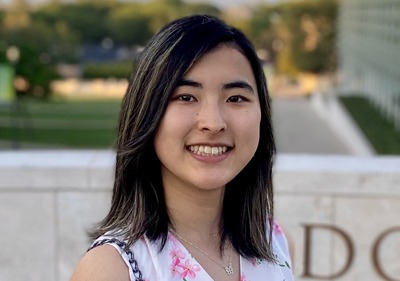
Mikiko Fujino
I am a sophomore studying International Studies with a focus on Japan-China relations. Growing up in Osaka and witnessing the persistent racism against Zainichi Koreans, I was driven to ask a fundamental question: "what divides people into 'us' and 'them'?" This experience sparked my interest in social justice and human rights, leading me to deepen my academic work through the SIGS conference on "Peace and Reconciliation in East Asia." As a Student Fellow, I hope to apply my skills in community service, program coordination, and curriculum development, which I gained from my experiences with Alternative Spring Break and an educational internship in Japan. I am committed to empowering my fellow students to become "change makers" by fostering community-based engagement and cultivating a culture of global citizenship rooted in wisdom, courage, and compassion. Beyond my academic pursuits, I am an active leader on campus, serving as the president of the Soka Chinese Club and the Student Movement of Culture of Peace (SMCP), as well as an Attorney General of the Executive Council. I am dedicated to creating an inclusive and just campus community where students feel empowered to tackle social issues as our own.