Being a graduate student at SUA was the most self-transforming process I have had in my whole life. I truly felt valued by each one of the professors, and I could authentically be 100% myself.
–Felipe Ken Iti Iwahashi da Silva M.A. ’25
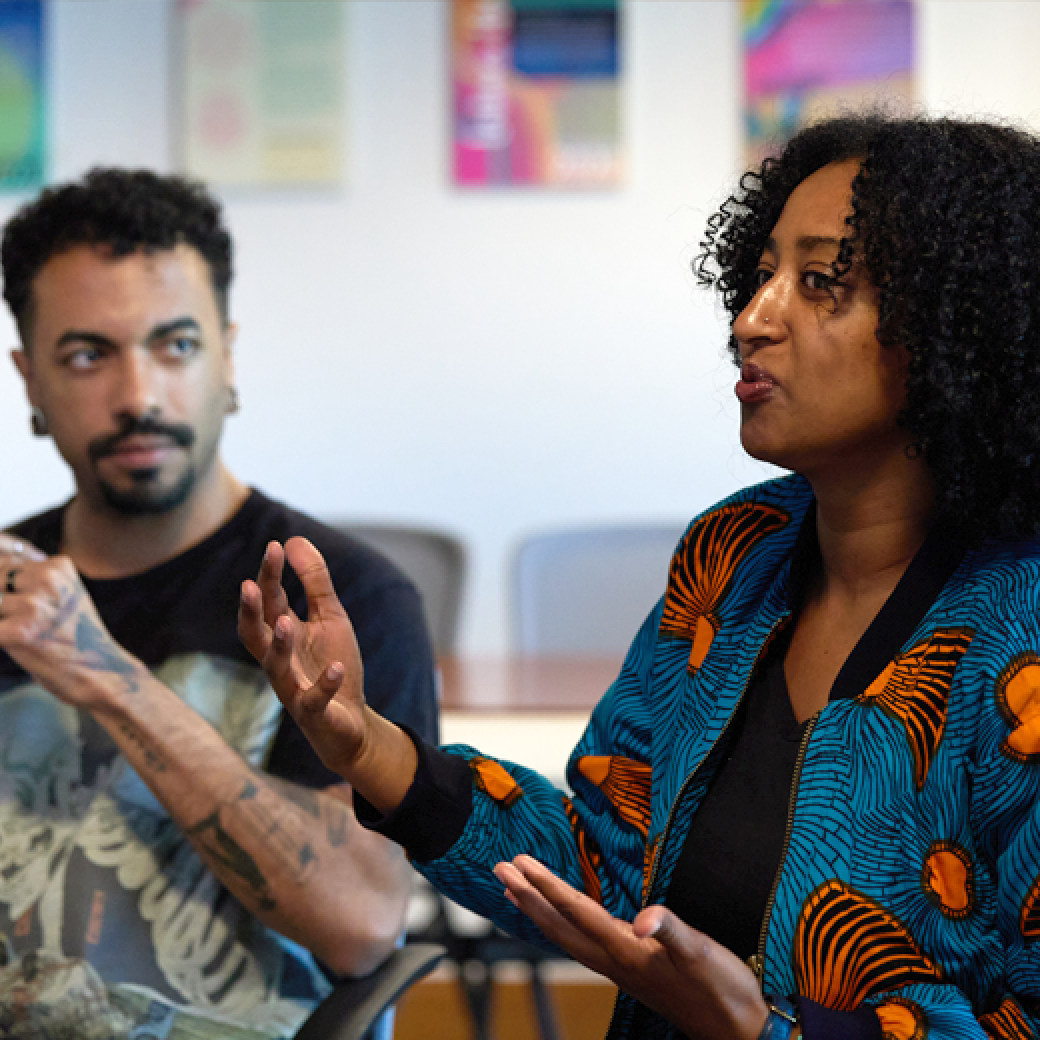
The M.A. in Educational Leadership and Societal Change is a two-year graduate program for educators and emerging leaders who believe educational institutions and structures can help build more just, peaceful, and equitable communities worldwide.
This master’s degree is not a teacher credential program. Instead, you’ll examine how educational systems shape society, explore the history of education across cultures, and develop the research skills to be an informed and ethical leader. Graduates leave prepared to challenge the status quo through classroom instruction, school administration, curriculum design, community organizing, policy research and advocacy, and a wide range of related fields.
The curriculum is built around semester-length and courses as well as independent study and field research. Course topics include:
In a small, diverse cohort, you'll work directly with faculty who bring real experience as teachers, researchers, and policy advocates into every seminar. All classes meet during the day, on campus, and in person. You’ll learn how to conduct rigorous academic research that can draw lessons for contemporary educational policies and practices.

Scholarships and assistantships, including the Graduate Merit Scholarship and the Soka Graduate Grant, are available to admitted students.
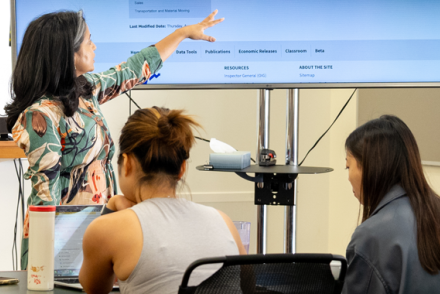
A 4:1 student-faculty ratio means real mentorship is a core part of the graduate student experience.
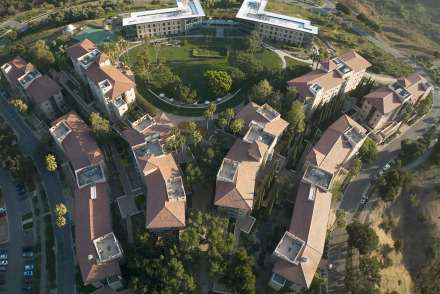
On-campus housing is available for graduate students on the fourth floor of Umoja Hall, where students have a private room with an adjoining bathroom shared with one suite mate.
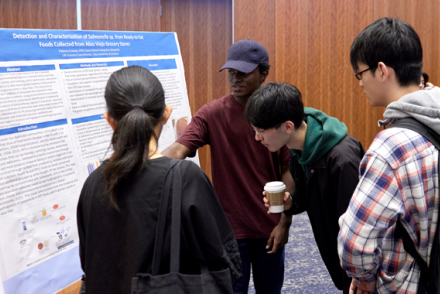
Students present original research at national and international academic conferences. Past cohorts have traveled to Washington, D.C., Vancouver, Atlanta, Mexico City, San Francisco, and Chicago.
Scholarships and assistantships, including the Graduate Merit Scholarship and the Soka Graduate Grant, are available to admitted students.
A 4:1 student-faculty ratio means real mentorship is a core part of the graduate student experience.
On-campus housing is available for graduate students on the fourth floor of Umoja Hall, where students have a private room with an adjoining bathroom shared with one suite mate.
Students present original research at national and international academic conferences. Past cohorts have traveled to Washington, D.C., Vancouver, Atlanta, Mexico City, San Francisco, and Chicago.
Being a graduate student at SUA was the most self-transforming process I have had in my whole life. I truly felt valued by each one of the professors, and I could authentically be 100% myself.
–Felipe Ken Iti Iwahashi da Silva M.A. ’25
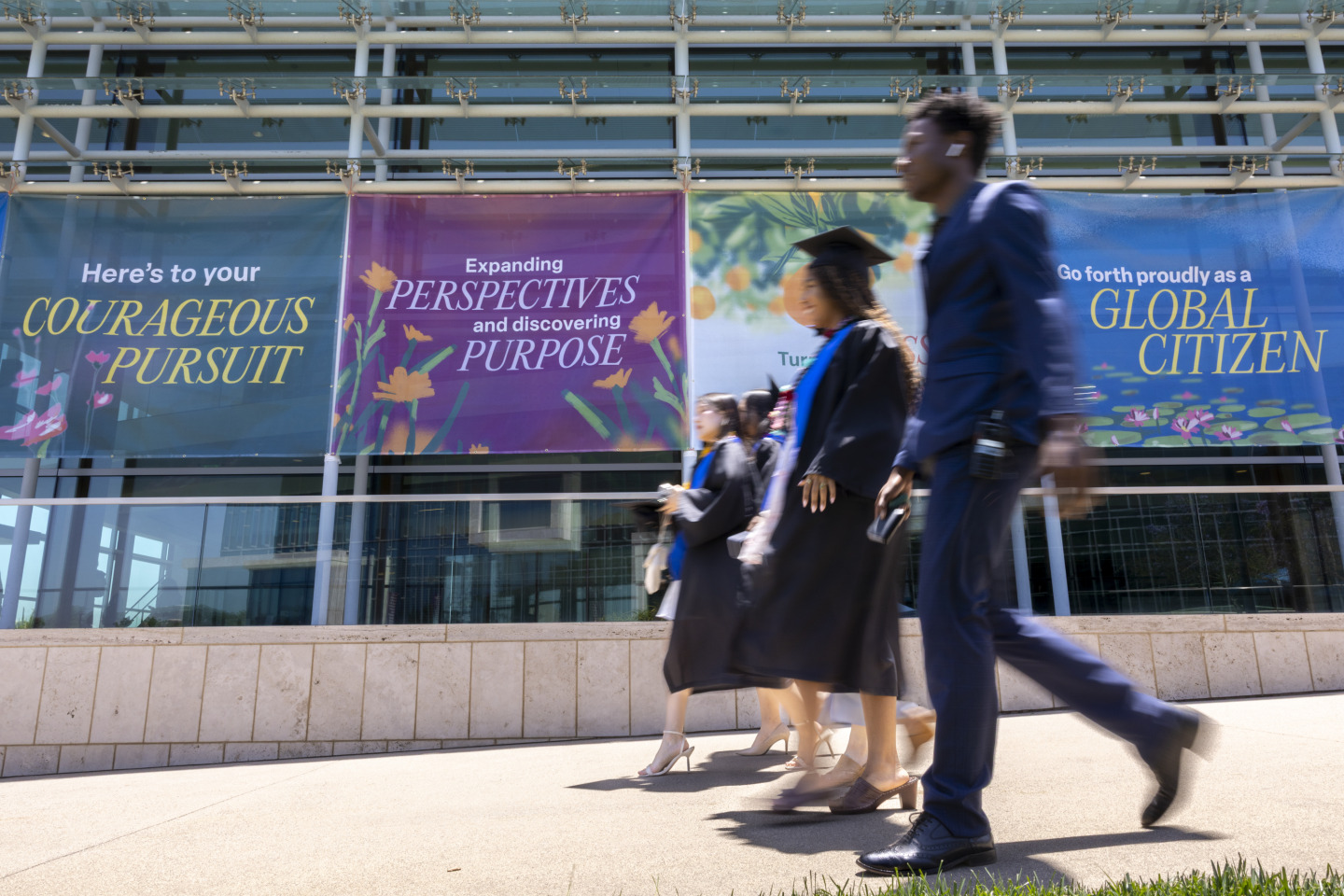
Soka M.A. alumni become leaders in research, policy, and curriculum design. Some examples of what they’ve done after SUA:
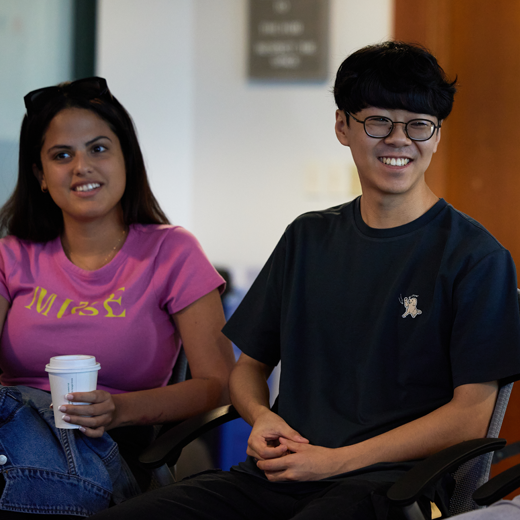
Our graduate students pursue research that crosses borders, challenges norms, and envisions new possibilities for education and leadership.
Here’s a look at some of their recent thesis topics:
This program is for scholars who see education as a path to global equality, justice, and sustainability. If this resonates, we’d love to hear from you.