“Where do we go from here?”
Dr. Martin Luther King Jr. posed this question near the end of his life, and it shaped Soka University of America’s week-long observance of MLK Day.
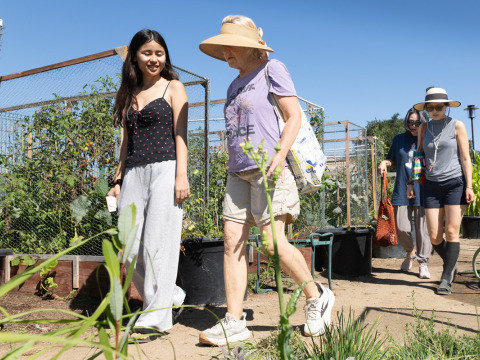
The week began with a visit to the OC Food Bank, where 33 students and three staff members packed food for distribution to low-income children, families, seniors, and veterans.
“The idea of having a ‘day on’ rather than a day off on MLK Day was an inspiring opportunity to truly embody Dr. King’s ideals and put into practice the values of global citizenship,” said Thais Watanabe M.A. ‘27, student assistant in the Office of Student Leadership and Service Engagement. “It begins with recognizing and honoring the humanity and dignity that every person inherently possesses and with our responsibility to contribute meaningfully to our community.”
Victor Xing Yi Boey M.A. ‘25, program coordinator for the Office of Leadership and Service Engagement, reflected on how volunteering at the OC Food Bank aligns with SUA’s mission. Packing and organizing food for distribution required teamwork, patience, and sustained commitment. By engaging in this service experience, Boey said, students were able to embody SUA’s founding principles in society.
“The activity encouraged them to develop empathy, social responsibility, and a spirit of humanistic leadership,” said Boey. “This experience allowed students to take meaningful steps toward becoming leaders who are committed to serving others, creating value in their communities, and contributing to society at large.”
Midweek, students and staff gathered in the Ikeda Library Grand Reading Room for a screening of “Citizen King,” a documentary examining the final years of Dr. King’s life. The film presents King not as a saint but as a courageous, human leader who spoke uncompromisingly about economic injustice, militarism, and the Vietnam War — and paid a heavy personal and political price for doing so. The screening was followed by conversations about King’s example and the courage required to challenge entrenched systems of power.
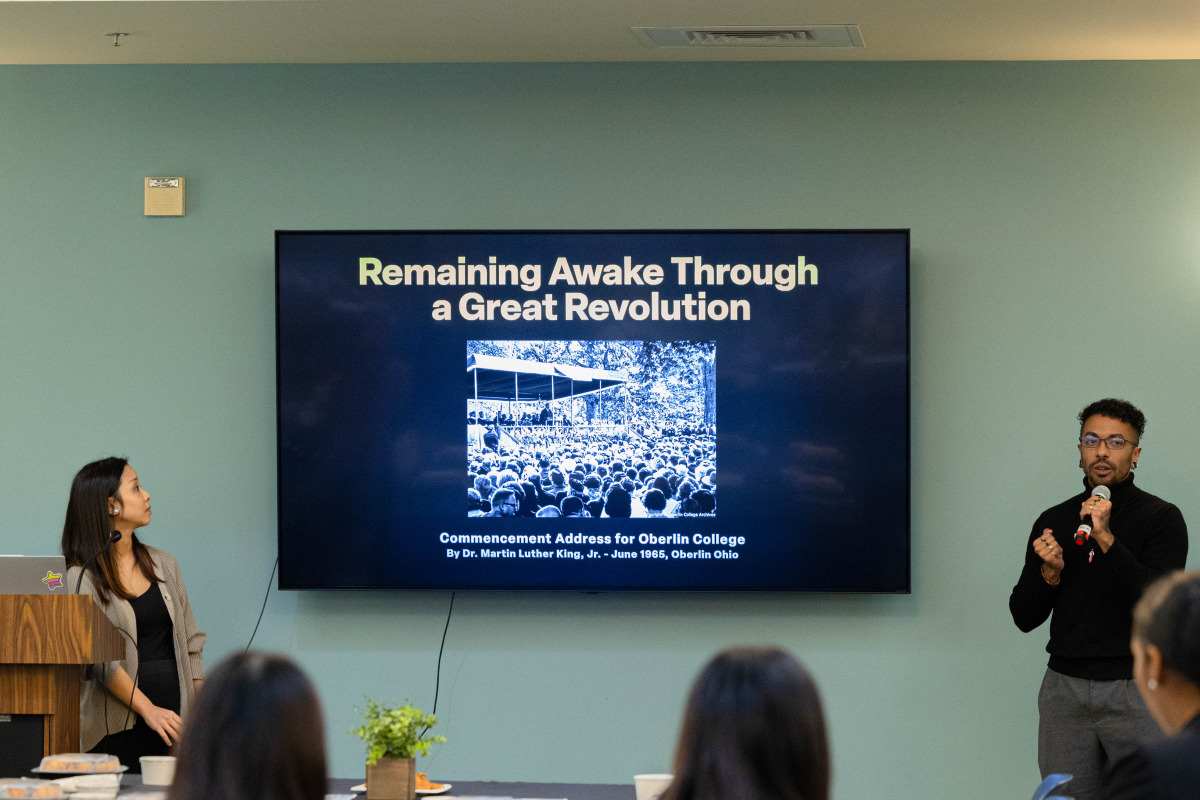
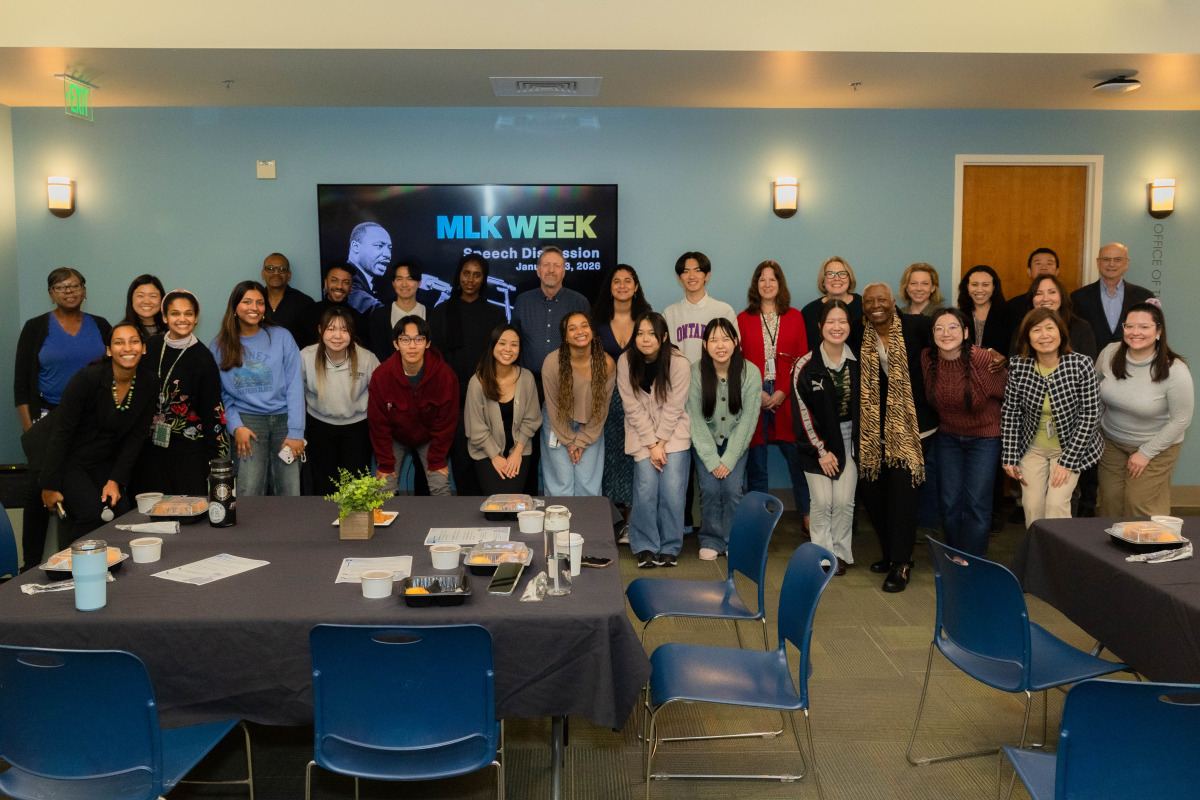
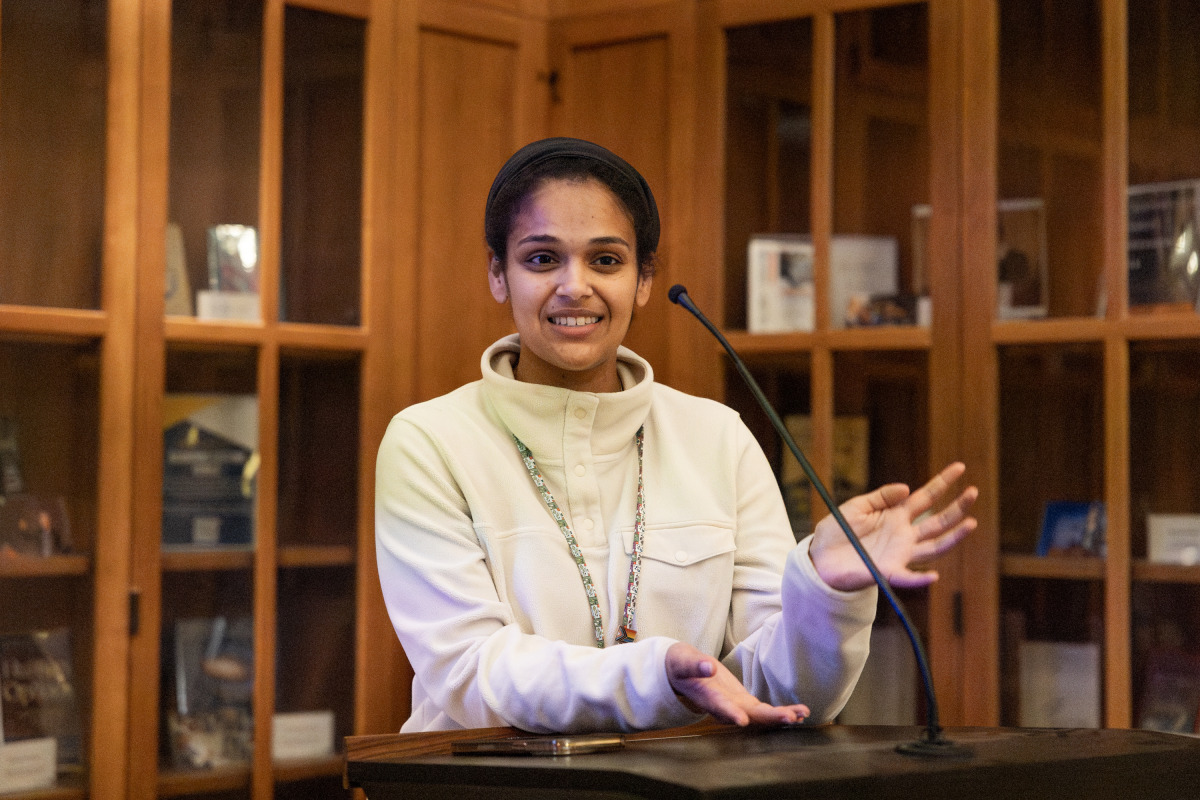
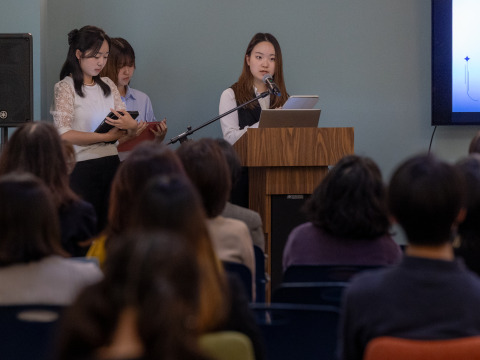
The week culminated with a discussion of Dr. King’s final Sunday sermon, “Remaining Awake Through a Great Revolution,” delivered at Washington National Cathedral in March 1968, days before his assassination. Maya Gunaseharan M.A.’19, director for diversity initiatives and community building, reminded participants in her opening words that we must learn from those who never gave up on the fight for justice.
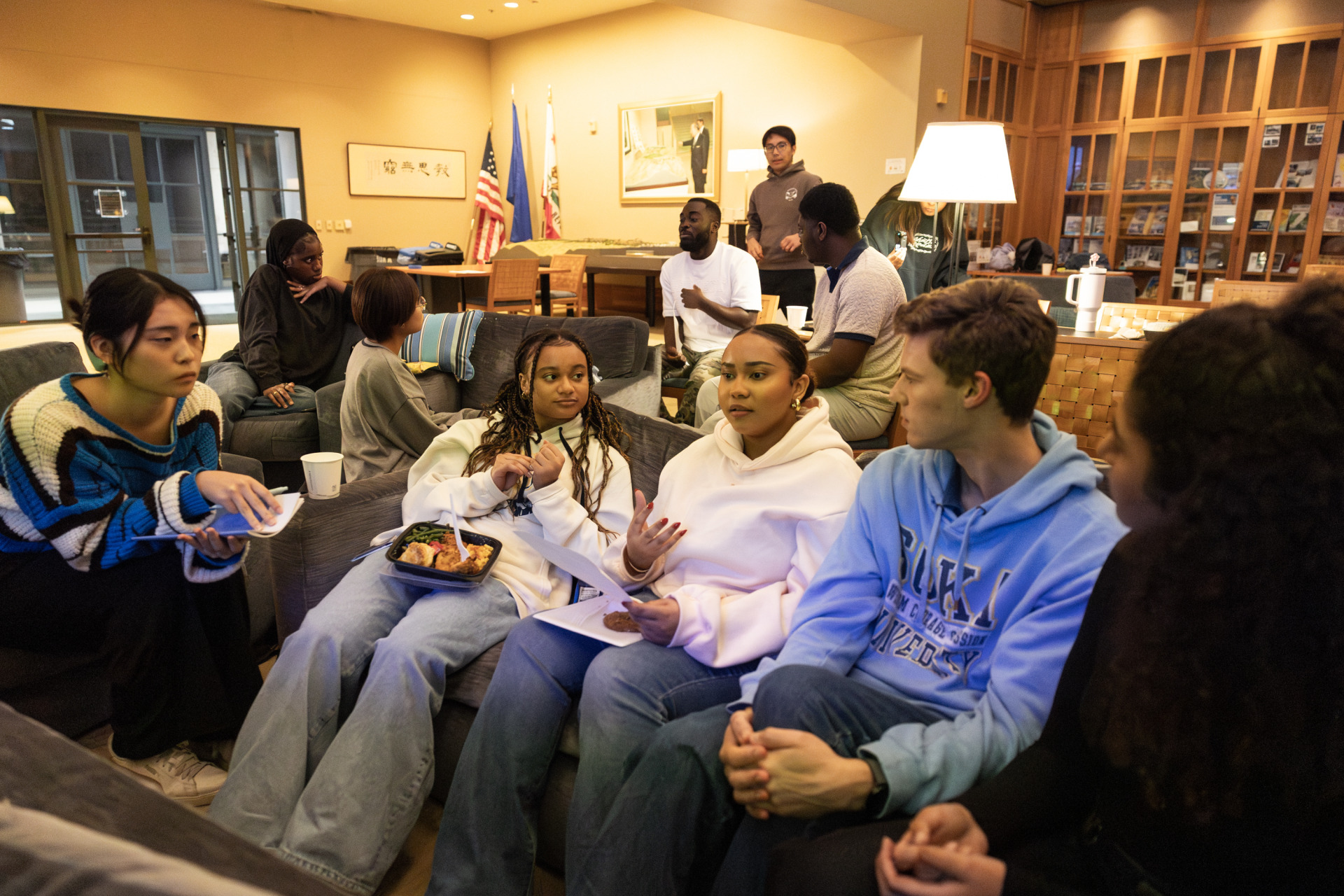
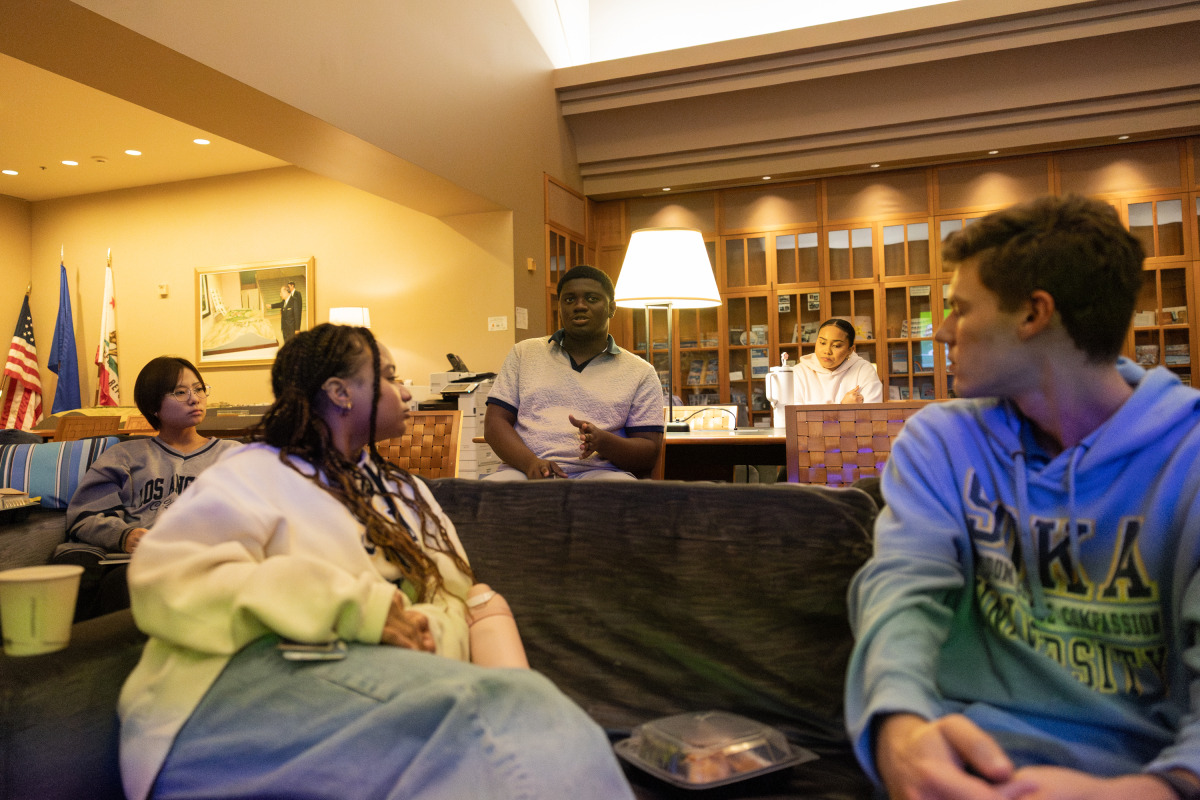
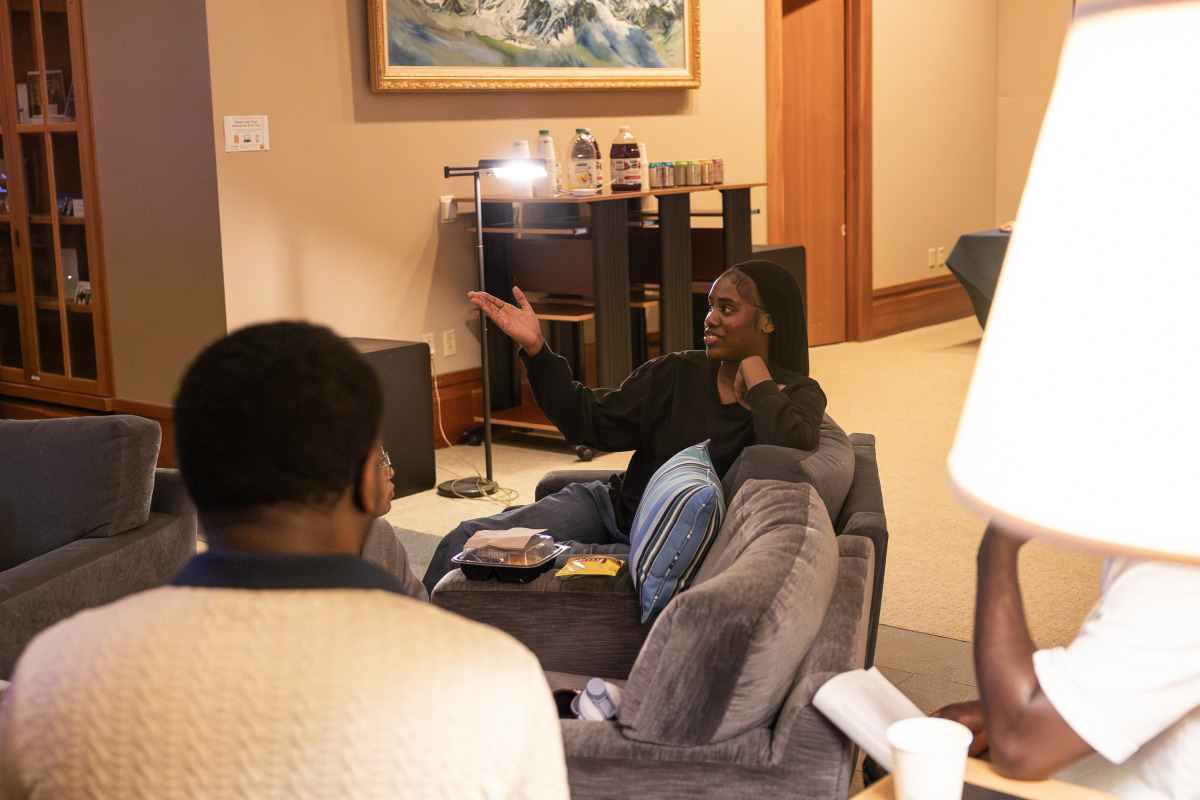
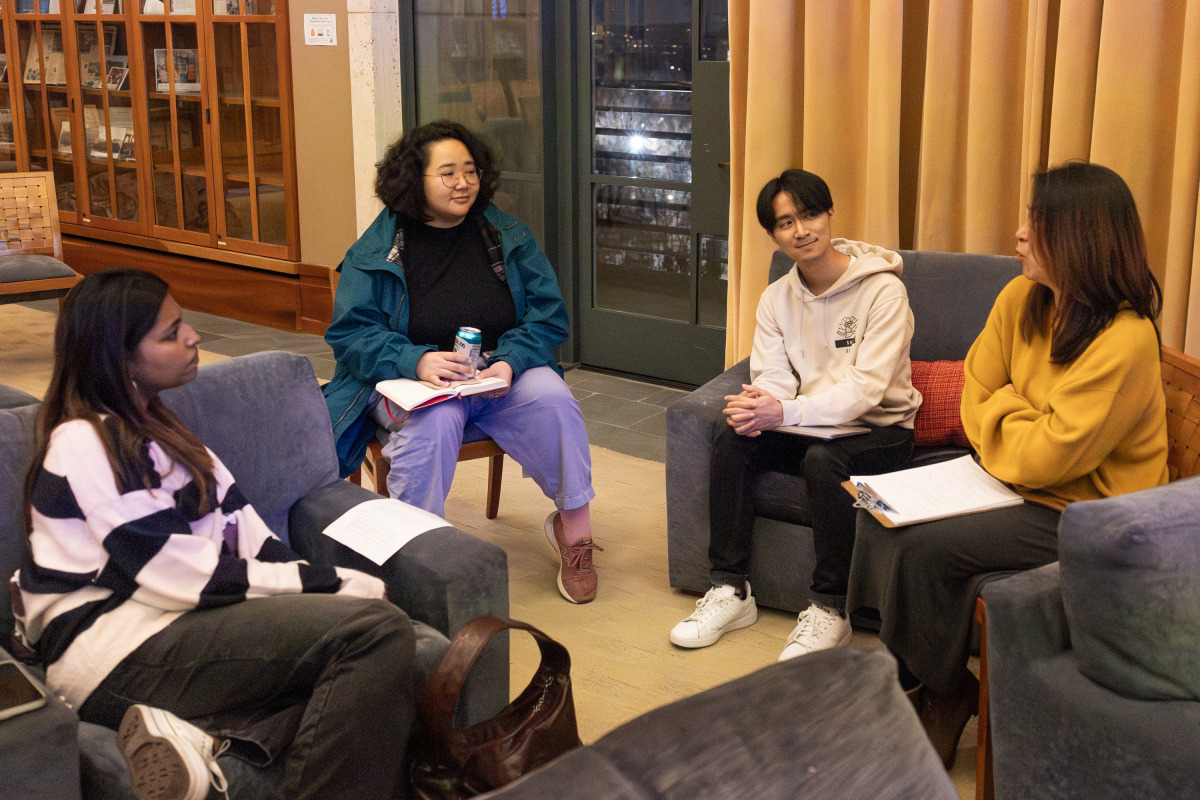
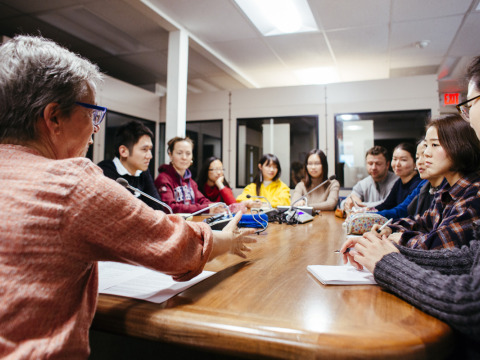
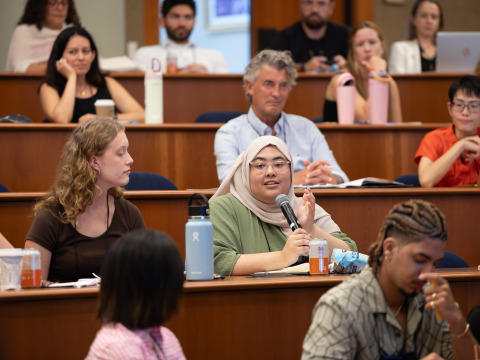
Facilitated by Soka graduate students Marcos Reginaldo de Souza M.A. ’26 and Seiko Moriyama M.A.’27, students, faculty, and staff engaged in small-group dialogues about King’s speech, including his conviction that all life is interrelated. Participants reflected on what this interrelatedness looks and feels like to them today, particularly in the ongoing struggle to eradicate racism.
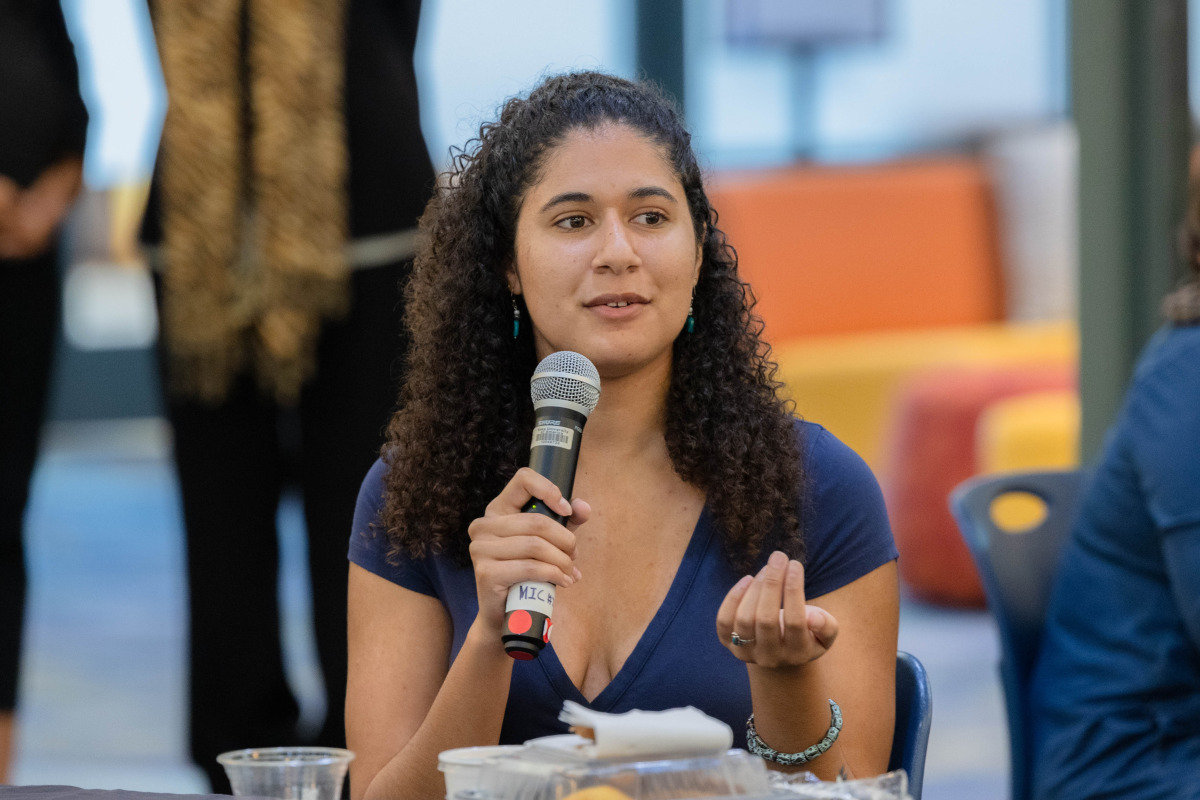
“During my group’s dialogue session,” said Gracyn Ervin ’26, “we each emphasized not only the value of dialogue but the power that education has, especially when it is based on SUA’s founding principles like having compassion and respect for others’ humanity, regardless of differences in opinion or characteristics like race. We shared that hatred and polarization are not instinctual when reflecting on how open youth are in their engagement with one another.”
Extended bridge student Yusaku Minohara realized he should not expect time alone to solve deeply rooted social issues. “For human issues like discrimination,” Minohara said, “nothing but we human beings can solve them. At the end of the day, it is up to each of us. As SUA students, the perspective and philosophy we consistently embody matters.”
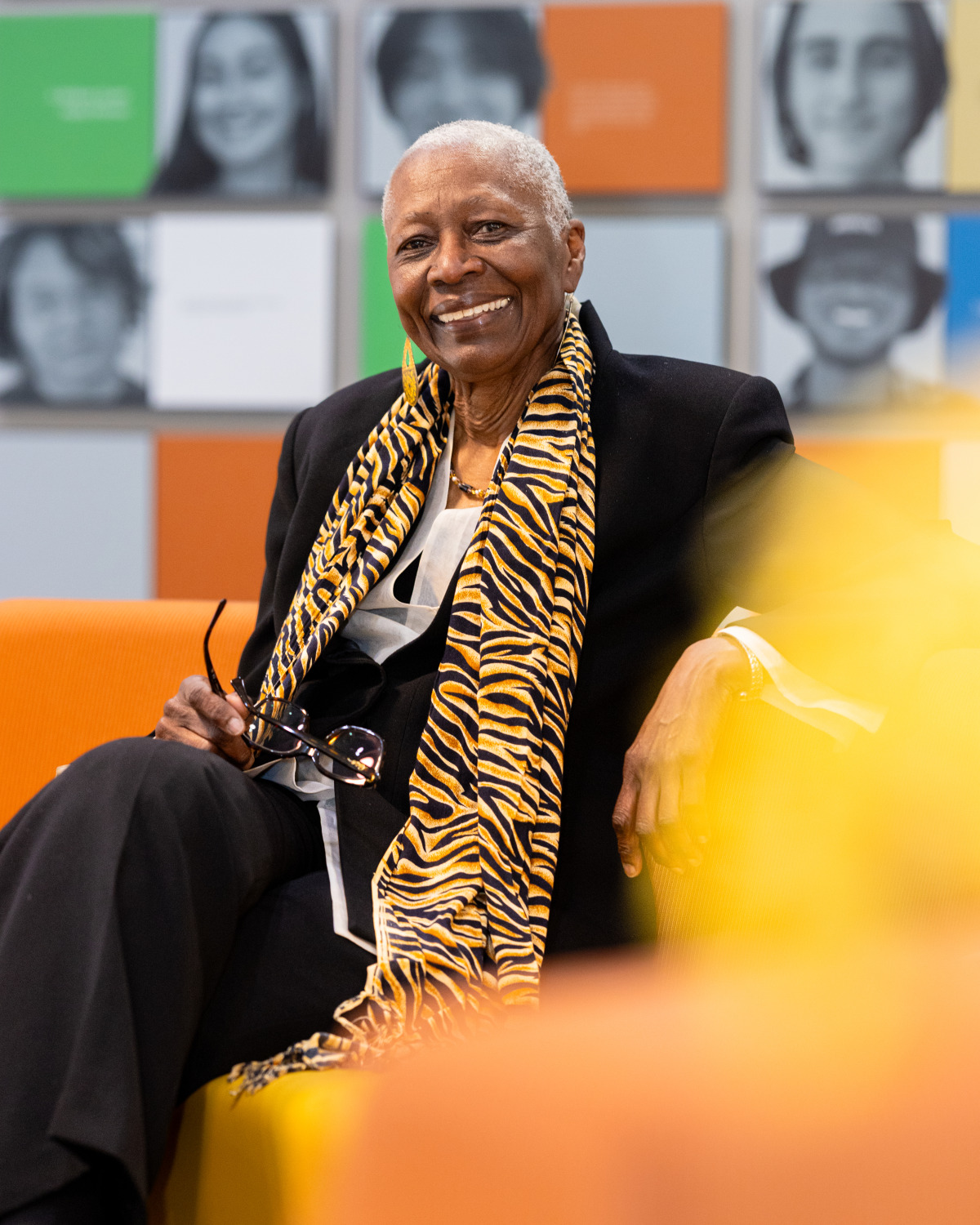
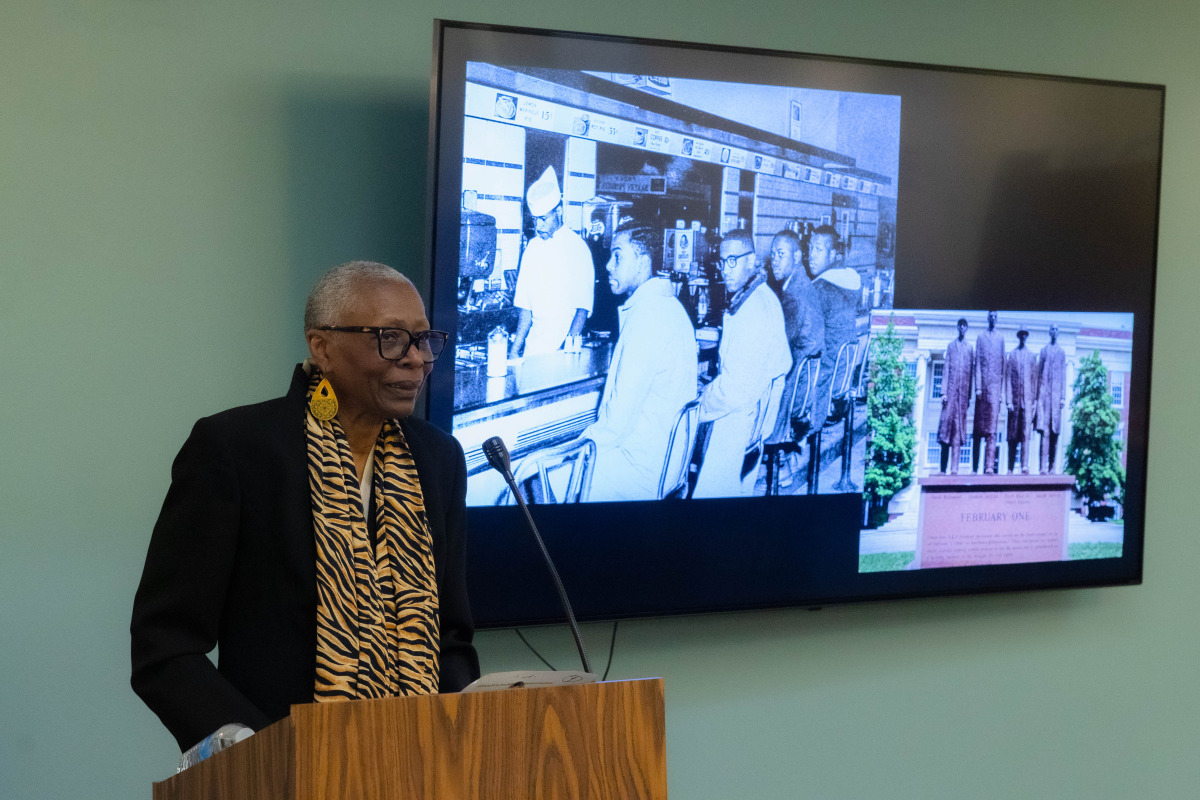
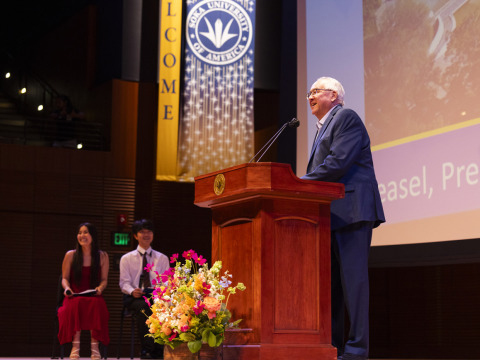
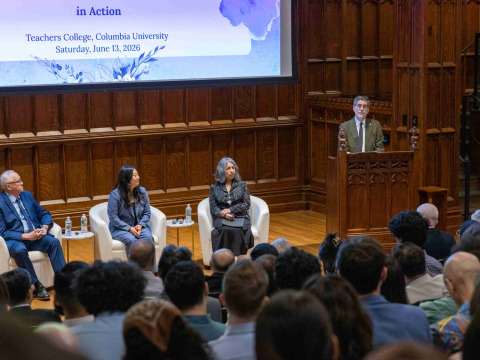
The lunchtime event concluded with Professor Emerita of Sociology Gail E. Thomas’ remarks, in which she returned to the question underlying the week’s activities: Where do we go from here? Drawing on Dr. King’s example, she highlighted his ability to think both locally and globally, encouraging students to develop a similarly expansive awareness.
Professor Thomas also shared a powerful story from her time as the first female student government president at North Carolina Agricultural and Technical State University in Greensboro. Dr. King was scheduled to visit her campus the day he was assassinated in Memphis. The shock and grief of that moment, she recalled, underscored the fragility of progress and the responsibility of those who inherit the torch of justice.
Returning to her opening question, Professor Thomas closed with what she believed would have been Dr. King’s answer: “Forward, forward, forward!”
For the Soka community, Gunaseharan noted, SUA’s annual MLK programming represents more than just commemoration. “It’s a vital practice in what Dr. King called ‘remaining awake’,” she said. “By gathering each year to study and understand Dr. King’s legacy, we’re cultivating the moral imagination and sustained commitment that movements for justice require. In moments like these, we’re not just learning about the past — we’re equipping ourselves to meet the urgent calls for justice in our own time.”