
“Studying the humanities taught me how to read carefully and think critically. It trained me to slow down, pay attention to nuance, and interpret meaning within context.”
Step into a Humanities seminar at Soka and you might hear a discussion about a Shakespeare play, Japanese cinema from the silent era, or the music of Kendrick Lamar. The subject changes. The question underneath it doesn’t.
Through literature, history, philosophy, art history, and music history, you’ll learn to read deeply and think critically, developing the skills to understand complex problems and effectively communicate your own perspective.
A concentration differs from a traditional major. At SUA, concentrations let you explore subjects broadly or go deep into areas that interest you — all within a liberal arts degree.
Journalists. Game designers. Museum curators. NGO founders. Humanities graduates from Soka thrive across fields because they’re equipped with the analytical thinking and creative problem-solving skills every industry demands. Whether you’re headed to graduate school or a career that doesn’t exist yet, the Humanities Concentration can help you get there. Click on the tabs below to see where some Humanities alum have taken their talents after Soka.
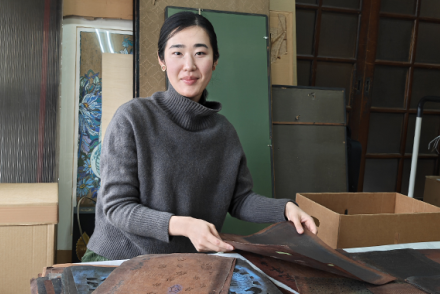
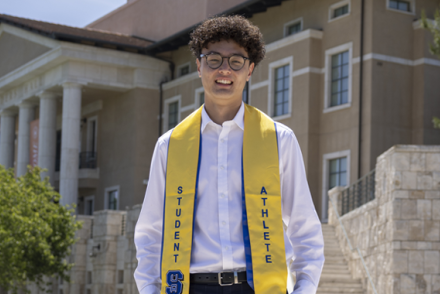
“The classes I took at SUA taught me how to think and write as a responsible scholar. I read extensively, wrote frequently, and revised continuously. The habit of challenging my own thinking truly prepared me for the tough but rewarding journey of becoming a more well-rounded thinker and global citizen.”
Natsuha's role after Soka: Ph.D. candidate in Asian and Middle Eastern Studies, University of Cambridge
“My training in the humanities allows me to see past the surface and make pictures or stories that play on different levels of analysis.”
Keito's role after Soka: Photojournalist
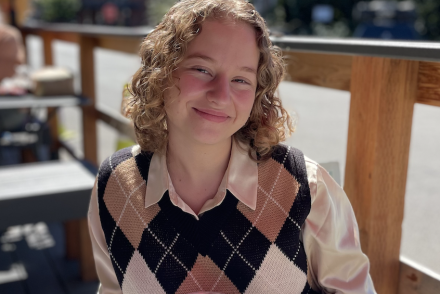
"I'm able to be flexible and shine within different roles that I wasn't necessarily directly educated for, but I can adapt because the humanities give you that type of adaptive thinking."
Hannah's role after Soka: M.A. candidate in Jewish studies at McGill University
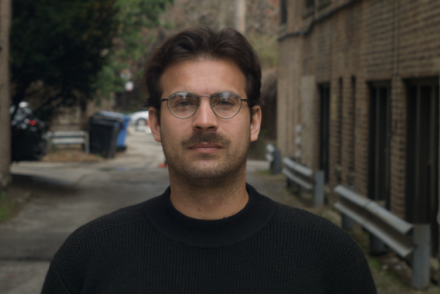
“Beyond a purely intellectual interest in literature, art, and philosophy, the work that you do in the humanities can be of great personal value. You are exposed to some of the most influential thinkers of all time, and more importantly, given the freedom to interact with them in a way that is meaningful to you.”
Rafael's role after Soka: Ph.D. candidate at the University of Chicago Divinity School
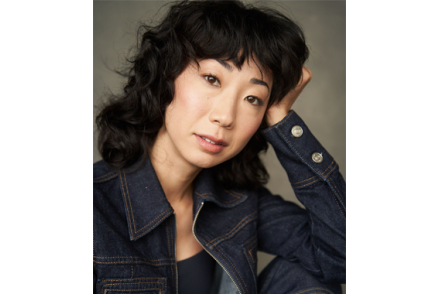
“At SUA, we’re given so much freedom to explore who we want to be and the kinds of things we want to do … SUA taught me to protect and honor my voice as an artist and storyteller.”
Miho's role after Soka: Actor and filmmaker
Journalists. Game designers. Museum curators. NGO founders. Humanities graduates from Soka thrive across fields because they’re equipped with the analytical thinking and creative problem-solving skills every industry demands. Whether you’re headed to graduate school or a career that doesn’t exist yet, the Humanities Concentration can help you get there. Click on the tabs below to see where some Humanities alum have taken their talents after Soka.
“The classes I took at SUA taught me how to think and write as a responsible scholar. I read extensively, wrote frequently, and revised continuously. The habit of challenging my own thinking truly prepared me for the tough but rewarding journey of becoming a more well-rounded thinker and global citizen.”
Natsuha's role after Soka: Ph.D. candidate in Asian and Middle Eastern Studies, University of Cambridge
“My training in the humanities allows me to see past the surface and make pictures or stories that play on different levels of analysis.”
Keito's role after Soka: Photojournalist
"I'm able to be flexible and shine within different roles that I wasn't necessarily directly educated for, but I can adapt because the humanities give you that type of adaptive thinking."
Hannah's role after Soka: M.A. candidate in Jewish studies at McGill University
“Beyond a purely intellectual interest in literature, art, and philosophy, the work that you do in the humanities can be of great personal value. You are exposed to some of the most influential thinkers of all time, and more importantly, given the freedom to interact with them in a way that is meaningful to you.”
Rafael's role after Soka: Ph.D. candidate at the University of Chicago Divinity School
“At SUA, we’re given so much freedom to explore who we want to be and the kinds of things we want to do … SUA taught me to protect and honor my voice as an artist and storyteller.”
Miho's role after Soka: Actor and filmmaker
Humanities seminars at Soka average 12 students. The work is close reading, sustained argument, and independent thinking. No one will tell you what a poem means or what a film is trying to say — that's yours to work out. The method is the same whether the subject is an Expressionist painting, a medieval Chinese novel, or why an oompah band from Germany sounds like Norteño music from Mexico: examine it closely, bring multiple disciplines to bear, and find the greater story beneath the surface.
You might:
Follow a cultural thread across centuries — a musical tradition, a philosophical idea, an artistic movement — and see where it leads
Examine a work of art or literature in its historical context, understanding the people who made it rather than just the object itself
Bring philosophy, history, and aesthetics to bear on the same question at once
Build an argument, defend it in seminar, and revise it under pressure
Comprised of the fields of art history, history, literature, music history, philosophy, and religion, the Humanities concentration offers students the chance to pursue essential questions about what it means to be human and to develop informed and humanistic goals and concerns. Humanities both prepares students for graduate and professional school and offers students a broad-based background in a number of disciplines.
Your senior capstone is an independent research project developed over your final year. Under the guidance of a faculty mentor, you’ll investigate a question that matters to you. For many students, the capstone becomes a springboard for graduate study or helps them home in on their career plans.
“Studying the humanities taught me how to read carefully and think critically. It trained me to slow down, pay attention to nuance, and interpret meaning within context.”
I loved being able to immerse myself in the Humanities Concentration, devoting myself to the study of literature and philosophy. Every opportunity helped me grow and helped hone facets of my character.
—Tahereh Mafi ’09, #1 New York Times bestselling and National Book Award nominated author