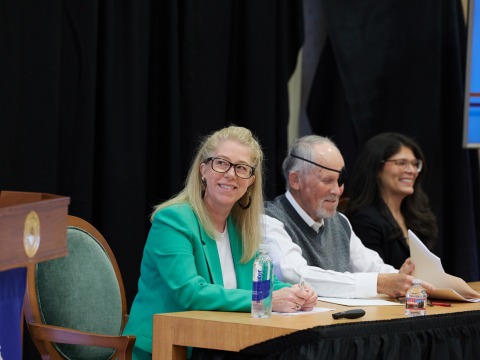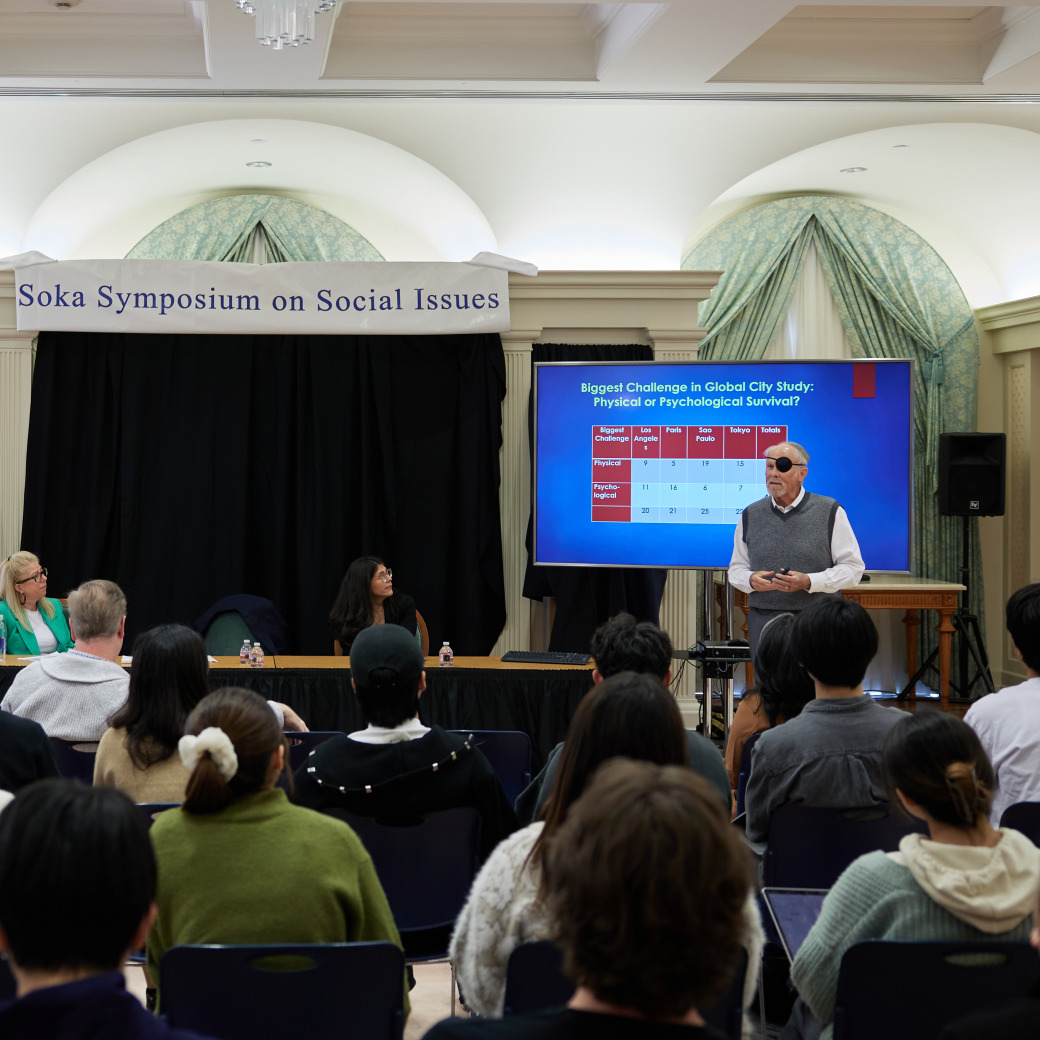

Students sit in rows of chairs and listen to a man with an eyepatch speaking in front of a projector screen. There is a banner overhead that reads, "Soka Symposium on Social Issues." Two women sit in a panel to the side of the man speaking.
Three Social and Behavioral Sciences students look over a document together.

Think like a social scientist, act like a global citizen

If you’ve ever wondered why people act the way they do, how power and culture shape societies, or what’s behind the problems that resist easy answers, the Social and Behavioral Sciences Concentration will give you the tools to find out — and the skills to act.

Social and Behavioral Sciences brings together anthropology, economics, political science, psychology, and sociology into one rigorous, interdisciplinary concentration. You’ll learn to ask hard questions, gather and analyze evidence, and communicate your findings clearly, skills that travel well across careers.


What is a concentration?

A concentration is different from a traditional major. Concentrations allow you to explore different subjects at a high-level or focus deeper on areas you’re passionate about while working within the liberal arts major.

Today’s social, economic, cultural, and political circumstances have left scholars with even more questions than answers than usual … I encourage you to take Social and Behavioral Sciences courses if you are interested in understanding how we got to this point and where we can go from here.

-Ana Schugurensky, ’20, Ph.D. candidate in political science at UC Irvine

What you'll learn

You'll build knowledge, sharpen your analytical thinking, and gain hands-on experience with research methods, enabling you to examine social and behavioral problems from multiple angles. In small, seminar-style classes, you might:

  • Learn about different psychological disorders and the socioeconomic factors that impact patient care

  • Analyze what fossils and artifacts can tell us about human prehistory and the emergence of culture

  • Discuss the philosophical foundations of American political thought and U.S. Supreme Court decisions across history

  • Understand the ways human economic activity affects natural resources and the environment

  • Apply sociology concepts to break down issues like racial discrimination and gender inequality

Areas of focus

  • Anthropology
  • Economics
  • Political Science
  • Psychology
  • Sociology

Skills you’ll build

  • Critical and interdisciplinary thinking
  • Qualitative and quantitative research methods
  • Data analysis and interpretation
  • Academic writing and scholarly argumentation
  • Oral communication and presentation

Sample courses

Social and Behavioral Sciences embraces an interdisciplinary approach to examining the human condition, incorporating perspectives from anthropology, economics, political science, psychology, and sociology.

View Course Descriptions 

  • Human Origins
  • Latin American Migration to the U.S.
  • Medical Anthropology

Explore Anthropology at SUA

  • Principles of Economics
  • Public Economics
  • Economic Development

Explore Economics at SUA

  • Foundations of American Government and Politics
  • Public Policy
  • Urban Politics

Explore Political Science at SUA

  • Cognitive Psychology
  • Behavioral Neuroscience
  • Sport Psychology

Explore Psychology at SUA

  • Social and Cultural Theory
  • Social Movements and Social Change
  • Health Disparities

Explore Sociology at SUA

Capstone: Your research, your questions

Senior year culminates in a substantial independent research project on a topic of your choosing. Working closely with a faculty mentor, you’ll pursue a question that genuinely interests you — an experience that often helps students clarify what they want to do next.

“My current research directly expands upon my SUA capstone. The capstone process was a great opportunity to learn how to conduct original research.” — Ana Schugurensky ’20, Ph.D. candidate in political science at UC Irvine

Previous capstone topics:

  • Now an analyst at a financial firm, Eric Yoshimura '25 examined the economic variables affecting the exchange rate between the Japanese yen and the U.S. dollar.
  • Teruaki Sasaki '24, currently an M.A. student in anthropology at the University of Johannesburg, studied how homelessness in Japan affects elderly individuals and their roles within their families.
  • Siena Taylor '25, who plans to pursue graduate school in archival studies, conducted an oral history and self-reflective ethnography of the Acjachemen people, the original inhabitants of what is now southern Orange County and portions of neighboring counties. The oral history will be incorporated into the tribe's federal recognition petition.
  • Currently a youth health advocate at the International School for Science and Culture, Tess Aman '25 researched accessible mental health therapies and produced a practical guide to low- and no-cost options for broader populations.
  • Ana Schuguresky ’20, Ph.D. candidate in political science at UC Irvine, analyzed how 1960s Canadian newspaper editorials portrayed universal healthcare during the five-year period leading up to its adoption.

Where Social and Behavioral Sciences graduates go

From the courtroom to the classroom, the nonprofit sector to Wall Street, Social and Behavioral Sciences graduates build careers as diverse as the questions they studied. Many go on to graduate programs in political science, anthropology, clinical psychology, and related fields — carrying their analytical skills into work that matters.

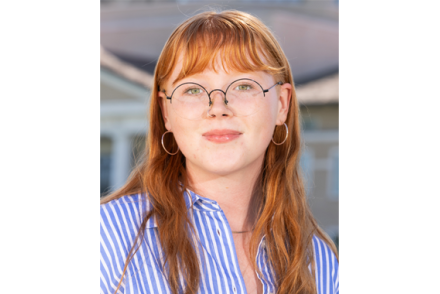
Tess Aman wears glasses and a blue shirt in a headshot

Tess Aman ’25

“The most important skill I acquired from Social and Behavioral Sciences is thinking outside the box … My professors encouraged free thought, particularly about what we chose to explore in our papers and projects.”

Tess's Role after Soka: Youth Health Advocate at the International School for Science and Culture

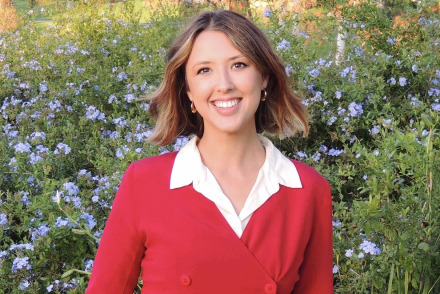
A woman with short brown hair wearing a red longsleeve shirt with a white collar poses in front of a field of blooming purple flowers.

Ana Schugurensky ’20

“The small class sizes and discussion-based format of Social and Behavioral Sciences courses prepared me very well for graduate school. The courses pushed me to expand my critical thinking skills and to confidently contribute to important conversations within political science.”

Ana's Role After Soka: Ph.D. candidate in political science at UC Irvine, Assistant Professor

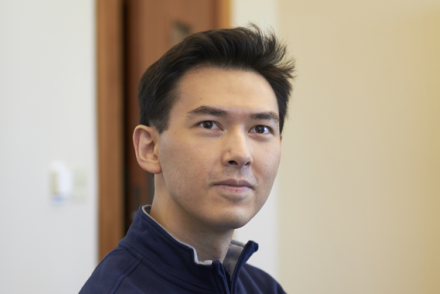
Headshot of Max Bieganski

Max Bieganski ’19 M.A. ’22

“The teaching style and the academic culture at Soka is very conducive to developing research skills. Resources like travel funding enabled me to go to conferences, give a talk, and meet fellow scholars.” 

Max's Role After Soka: Master’s Candidate in International Affairs at UC San Diego’s School of Global Policy and Strategy

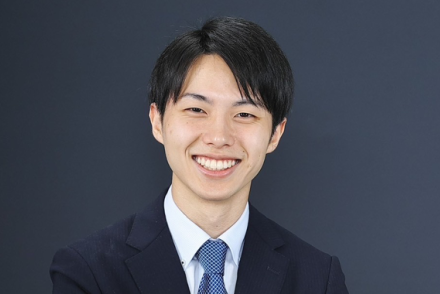
A man with dark brown hair wearing a dark suit with a lighter blue tie smiles.

Eric Yoshimura ’25

“In Social and Behavioral Sciences, we had many opportunities to analyze real world problems in theoretical and practical ways, especially in economics.”

Eric's Role after Soka: Analyst at a financial firm

Teruaki Sasaki ’24

“Social and Behavioral Sciences helped me critically analyze what scholars say, rather than take it for granted, so that I can fully see and understand different issues.”

Teruaki's Role after Soka: M.A. Candidate in Anthropology at the University of Johannesburg

Where Social and Behavioral Sciences graduates go

From the courtroom to the classroom, the nonprofit sector to Wall Street, Social and Behavioral Sciences graduates build careers as diverse as the questions they studied. Many go on to graduate programs in political science, anthropology, clinical psychology, and related fields — carrying their analytical skills into work that matters.

Tess Aman ’25

“The most important skill I acquired from Social and Behavioral Sciences is thinking outside the box … My professors encouraged free thought, particularly about what we chose to explore in our papers and projects.”

Tess's Role after Soka: Youth Health Advocate at the International School for Science and Culture

Ana Schugurensky ’20

“The small class sizes and discussion-based format of Social and Behavioral Sciences courses prepared me very well for graduate school. The courses pushed me to expand my critical thinking skills and to confidently contribute to important conversations within political science.”

Ana's Role After Soka: Ph.D. candidate in political science at UC Irvine, Assistant Professor

Max Bieganski ’19 M.A. ’22

“The teaching style and the academic culture at Soka is very conducive to developing research skills. Resources like travel funding enabled me to go to conferences, give a talk, and meet fellow scholars.” 

Max's Role After Soka: Master’s Candidate in International Affairs at UC San Diego’s School of Global Policy and Strategy

Eric Yoshimura ’25

“In Social and Behavioral Sciences, we had many opportunities to analyze real world problems in theoretical and practical ways, especially in economics.”

Eric's Role after Soka: Analyst at a financial firm

Teruaki Sasaki ’24

“Social and Behavioral Sciences helped me critically analyze what scholars say, rather than take it for granted, so that I can fully see and understand different issues.”

Teruaki's Role after Soka: M.A. Candidate in Anthropology at the University of Johannesburg

Potential job titles

Anthropologist Archivist Development coordinator Investment analyst Political consultant Political science researcher Psychologist Social worker Anthropologist Archivist Development coordinator Investment analyst Political consultant Political science researcher Psychologist Social worker
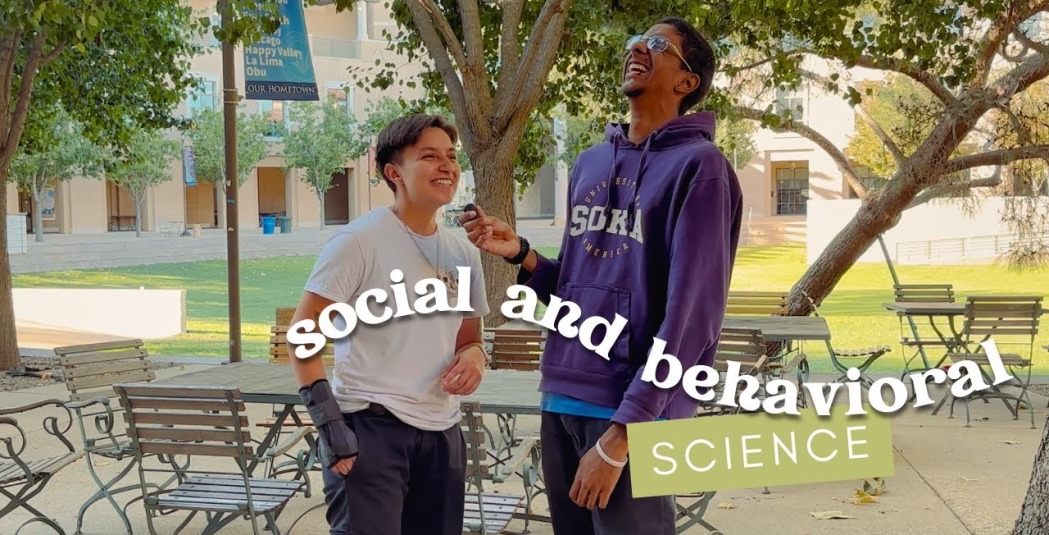
Social and Behavioral Sciences thumbnail showing two students laughing on campus

Pi Gamma Mu Honor society

SBS students can join Pi Gamma Mu, the oldest interdisciplinary social science honor society in the world. Founded in 1924, it recognizes excellence in scholarship and service — and awards competitive scholarships to members each year. Three Soka graduates have received awards since 2019.

For eligibility requirements and membership information, contact Professor Peter Burns at pburns@soka.edu.

Our Faculty

“Soka professors do a great job promoting students’ interests and research. I never lack advice or support.” — Mira Peregud ’26

Concentration news