Is This Career Right for Me?
| This career may be a good fit if you… | You may prefer another health profession if you… |
|---|---|
|
|
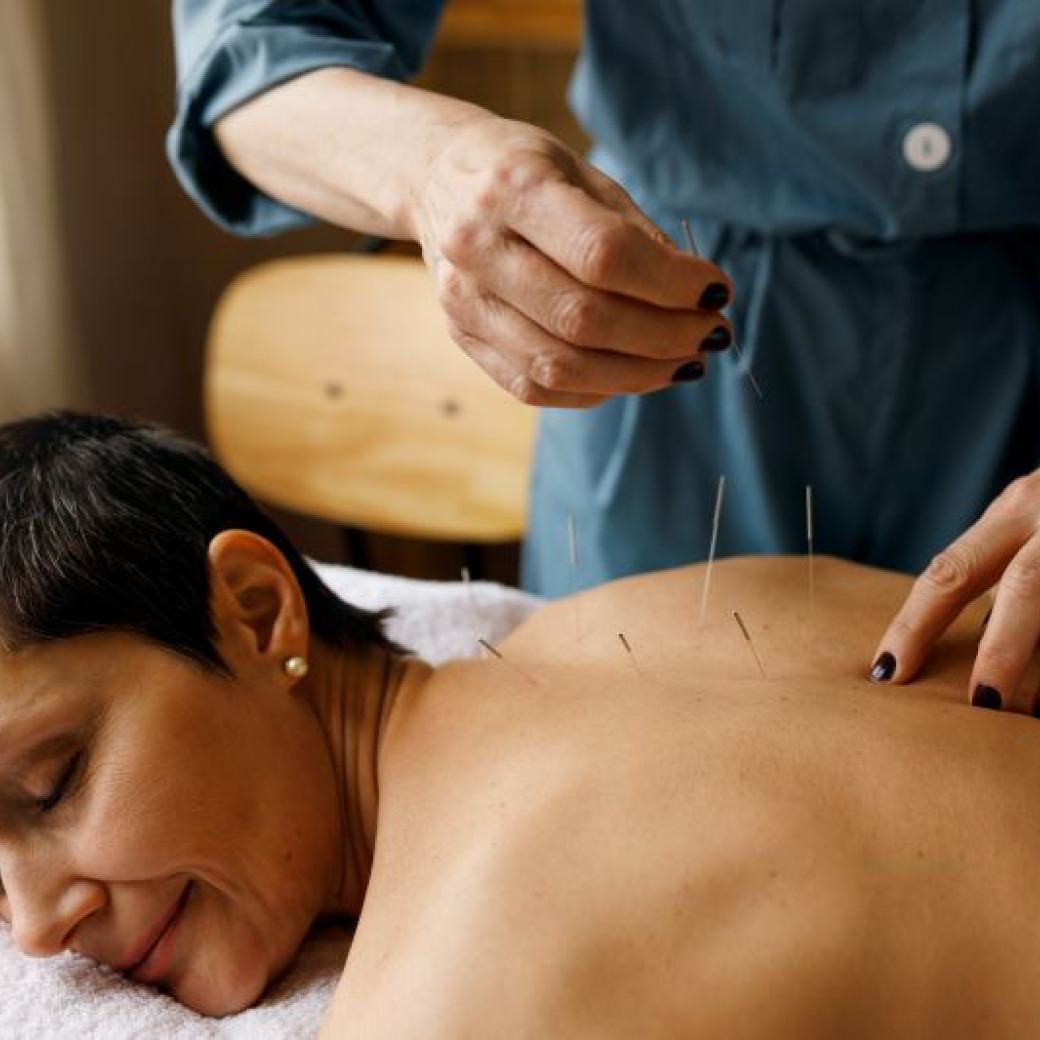
Acupuncturists are licensed healthcare professionals who use acupuncture and other therapies rooted in traditional East Asian medicine to prevent illness, manage symptoms, and promote overall health. Depending on their education and state scope of practice, they may also provide therapies such as cupping, moxibustion, herbal medicine, therapeutic exercise, nutrition counseling, and lifestyle education. Acupuncturists most commonly work in outpatient clinics, private practices, hospitals, rehabilitation centers, and integrative medicine programs. They frequently collaborate with physicians, physical therapists, psychologists, chiropractors, and other healthcare professionals to care for patients with chronic pain, musculoskeletal conditions, headaches, infertility, cancer-related symptoms, and other health concerns. The profession emphasizes whole-person care, recognizing the connections between physical, emotional, and environmental factors that influence health.
| This career may be a good fit if you… | You may prefer another health profession if you… |
|---|---|
|
|
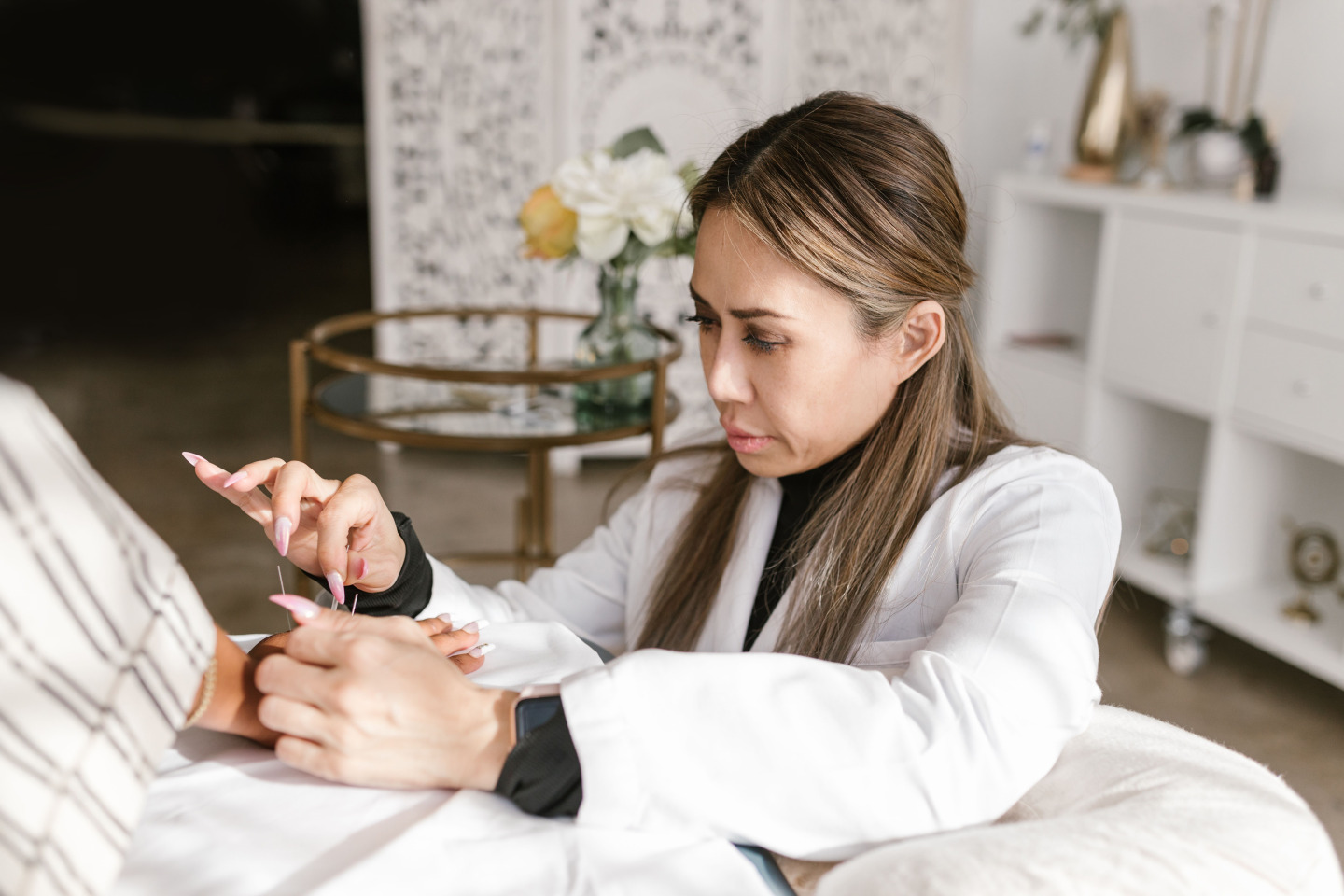
Most acupuncturists spend the majority of their day seeing patients in outpatient settings. Appointments typically include reviewing symptoms and medical history, performing an assessment, providing acupuncture treatment, documenting the visit, and discussing lifestyle modifications or follow-up care. Appointments often last 30 to 90 minutes, allowing practitioners to develop long-term relationships with patients. Some acupuncturists maintain general practices, while others specialize in areas such as pain management, sports medicine, fertility, women’s health, or oncology supportive care.
Professional Degree
Length of Professional School
Typically 3 to 4 years after completing a bachelor’s degree.
Admissions Exam
Most programs do not require a standardized admissions exam, although some may require the GRE.
Application Process
Most schools use their own institutional application rather than a centralized application service.
Licensure
State licensure requirements vary but generally include graduation from an accredited program and completion of national certification examinations where required.
Bachelor’s Degree
Complete prerequisite coursework, explore healthcare careers, volunteer, and shadow licensed acupuncturists.
Apply to Professional School
Research programs, obtain letters of recommendation, and submit applications.
Professional School (3–4 years)
Complete coursework in biomedical sciences, traditional East Asian medicine, diagnosis, ethics, and extensive supervised clinical training.
Licensure
Complete certification and state licensing requirements.
Practice
Begin practice in private practice, hospitals, rehabilitation centers, community clinics, or integrative healthcare settings.
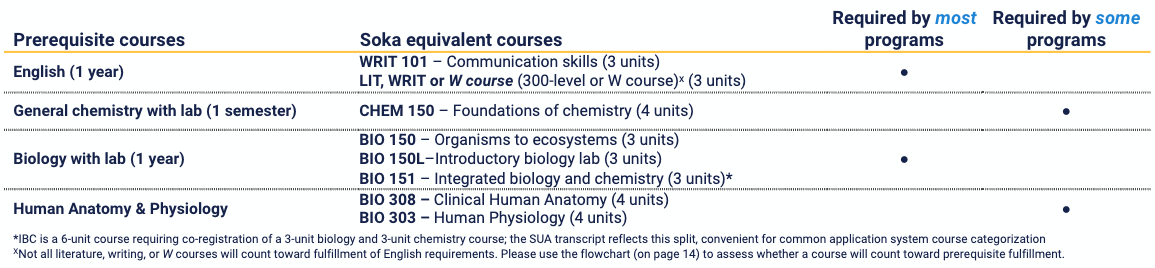
| Prerequisite courses | Soka equivalent courses | Required by most programs | Required by some programs |
|---|---|---|---|
| English (1 year) | WRIT 101 – Communication skills (3 units) LIT, WRIT or W course (300-level or W course)x (3 units) | ● | |
| General chemistry with lab (1 semester) | CHEM 150 – Foundations of chemistry (4 units) | ● | |
| Biology with lab (1 year) | BIO 150 – Organisms to ecosystems (3 units) BIO 150L–Introductory biology lab (3 units) BIO 151 – Integrated biology and chemistry (3 units)* | ● | |
| Human Anatomy & Physiology | BIO 308 – Clinical Human Anatomy (4 units) BIO 303 – Human Physiology (4 units) | ● |
* IBC is a 6-unit course requiring co-registration of a 3-unit biology and 3-unit chemistry course; the SUA transcript reflects this split, convenient for common application system course categorization
x Not all literature, writing, or W courses will count toward fulfillment of English requirements. Please use the flowchart (on HPA handbook page 14) to assess whether a course will count toward prerequisite fulfillment.
Competitive applicants typically demonstrate:
Unlike some health professions, thousands of hours of direct patient care are generally not required before applying, although healthcare experience can strengthen an application.
Demand for integrative healthcare continues to grow, and acupuncture is increasingly incorporated into hospitals, cancer centers, Veterans Health Administration facilities, pain management clinics, and multidisciplinary healthcare practices. Many acupuncturists also establish successful private practices or join community-based clinics. Career opportunities vary by geographic region, state scope of practice laws, and reimbursement policies.
Licensed acupuncturists may specialize in:
Students interested in acupuncture may also wish to explore: