Is This Career Right for Me?
| This career may be a good fit if you… | You may prefer another health profession if you… |
|---|---|
|
|
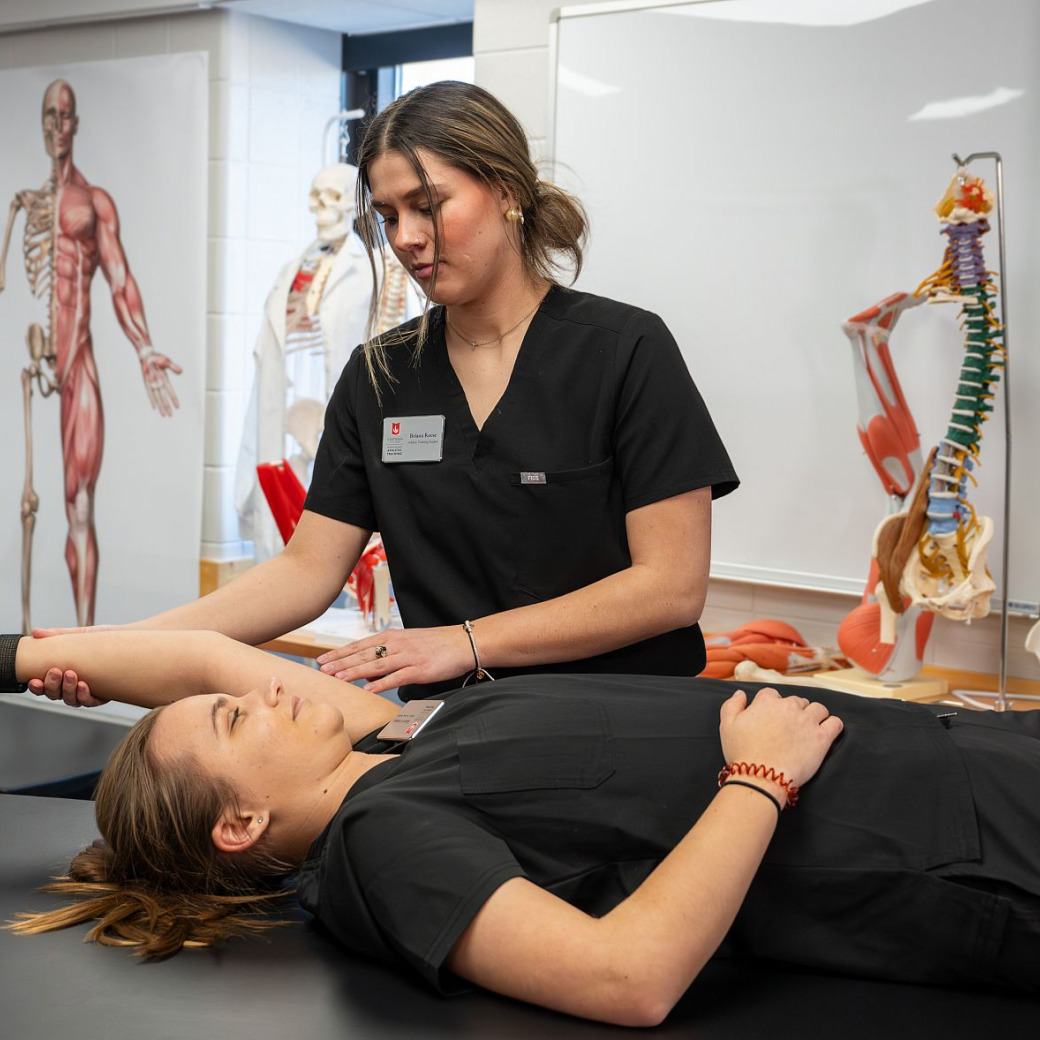
Athletic trainers (ATs) are licensed healthcare professionals who specialize in the prevention, evaluation, diagnosis, treatment, and rehabilitation of injuries and medical conditions affecting physically active individuals. Working in collaboration with physicians and other healthcare professionals, athletic trainers provide immediate care for acute injuries, develop rehabilitation programs, and help patients safely return to activity.
Although athletic trainers are well known for working with athletes, they care for people of all ages and activity levels in a variety of settings, including secondary schools, colleges and universities, professional sports organizations, hospitals, physician practices, rehabilitation clinics, industrial workplaces, military settings, and performing arts organizations. The profession combines musculoskeletal medicine, emergency care, rehabilitation, injury prevention, and patient education in an active, team-based environment.
| This career may be a good fit if you… | You may prefer another health profession if you… |
|---|---|
|
|
Athletic trainers spend much of their day evaluating injuries, developing rehabilitation plans, supervising therapeutic exercise, applying protective taping and bracing, educating patients, and collaborating with physicians and other members of the healthcare team. They also respond to medical emergencies such as concussions, fractures, heat illness, cardiac arrest, and spinal injuries.
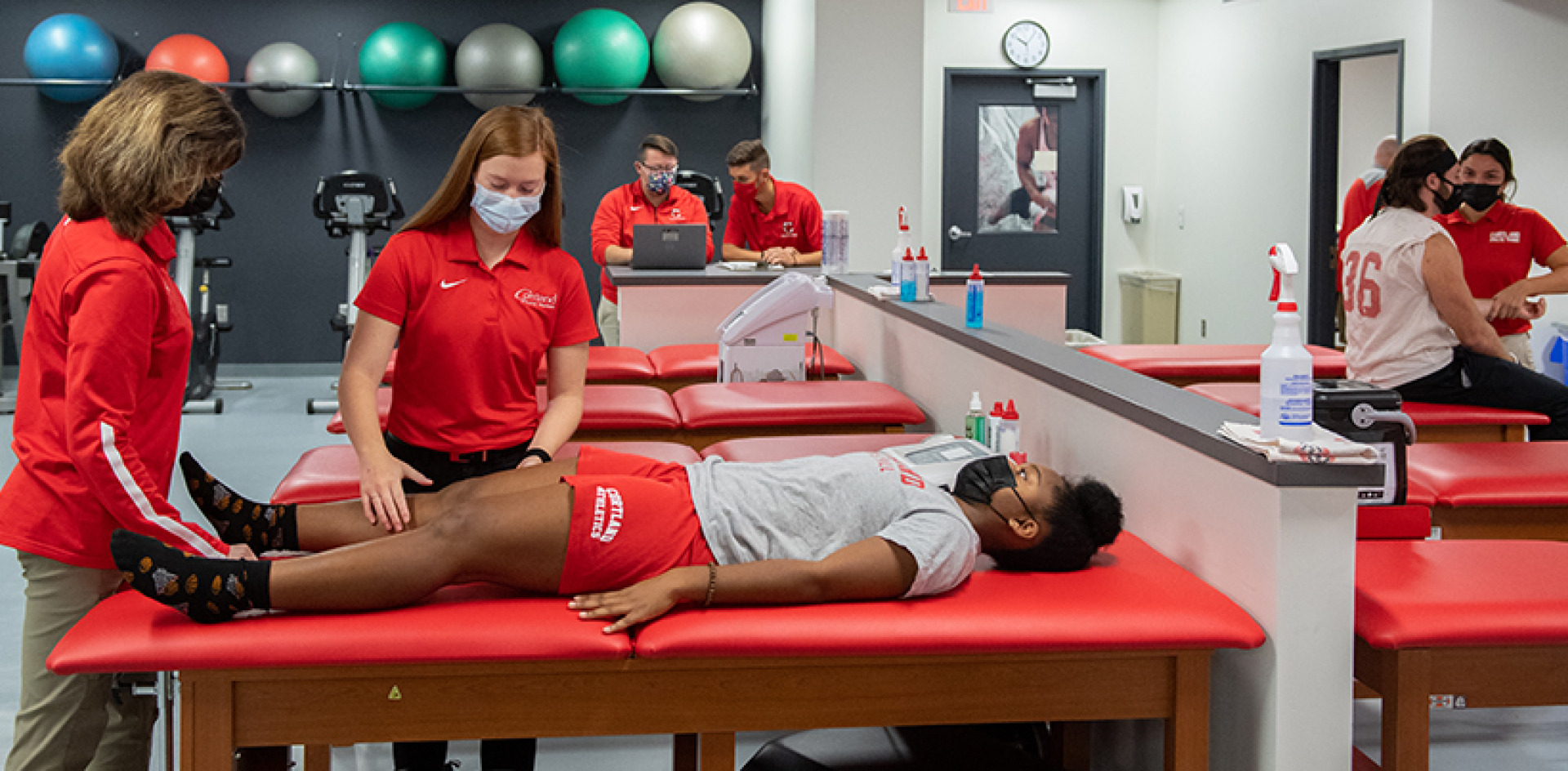
Depending on the setting, athletic trainers may provide care in clinics, training rooms, sidelines during athletic events, industrial workplaces, military installations, or performing arts venues. Their work often combines scheduled patient care with the ability to respond quickly when injuries occur.
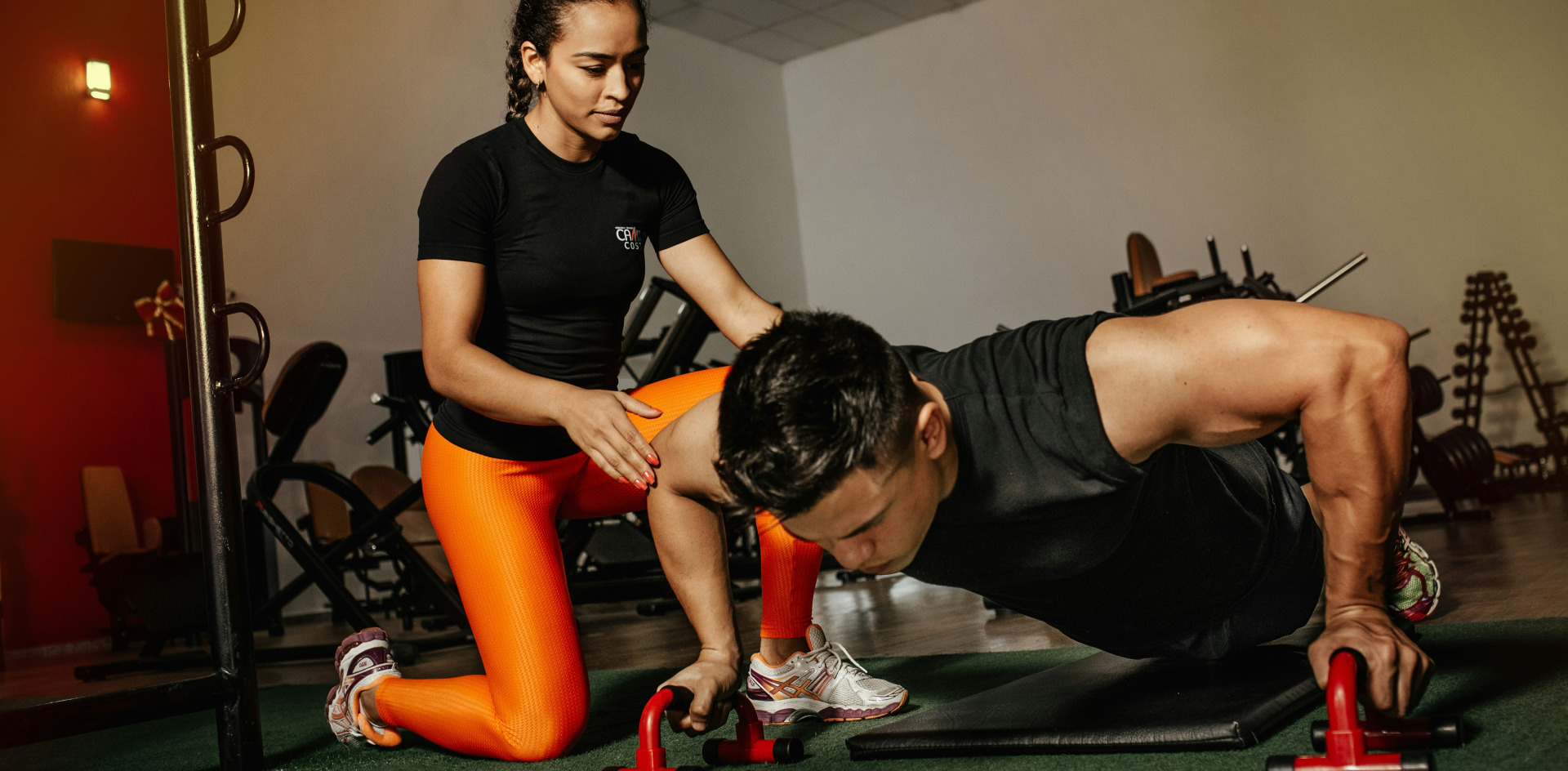
Depending on the setting, athletic trainers may provide care in clinics, training rooms, sidelines during athletic events, industrial workplaces, military installations, or performing arts venues. Their work often combines scheduled patient care with the ability to respond quickly when injuries occur.
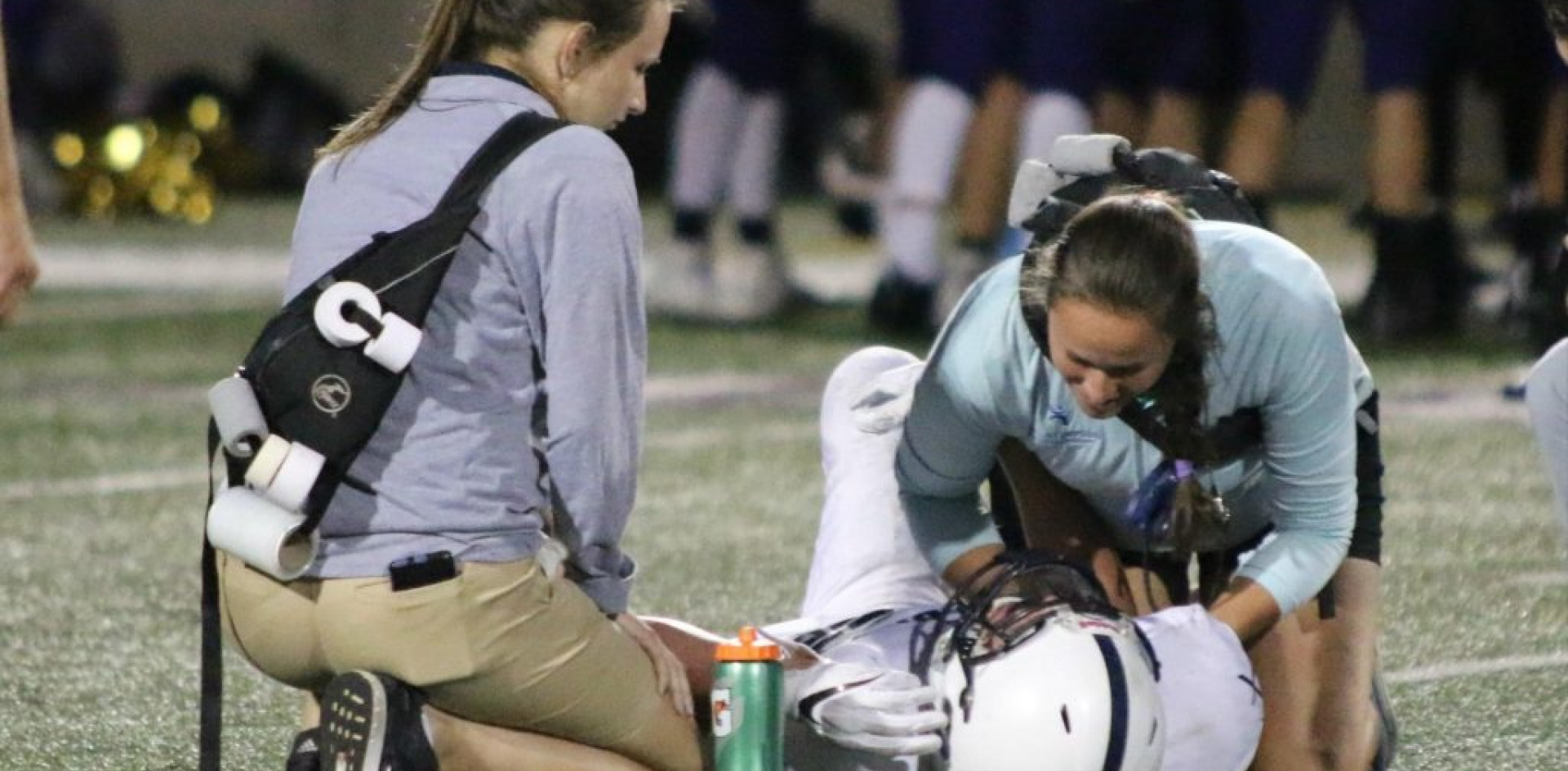
Depending on the setting, athletic trainers may provide care in clinics, training rooms, sidelines during athletic events, industrial workplaces, military installations, or performing arts venues. Their work often combines scheduled patient care with the ability to respond quickly when injuries occur.
Professional Degree
Master of Athletic Training (MAT, MSAT, or equivalent master’s degree)
Length of Professional School
Typically 2 years after completing a bachelor’s degree.
Admissions Exam
Most programs do not require a standardized admissions exam, although some may require the GRE.
Application Process
Many programs participate in the Athletic Training Centralized Application Service (ATCAS), while others accept applications directly.
Certification
Graduates must pass the Board of Certification (BOC) Examination for Athletic Trainers.
Licensure
Most states require licensure or another form of state credentialing to practice.
Bachelor’s Degree
Complete prerequisite coursework, gain experience through athletic training observation or healthcare volunteering, and explore the profession through shadowing.
Apply to Professional School
Complete prerequisite courses, obtain letters of recommendation, and apply through ATCAS or directly to programs.
Professional School (Approximately 2 years)
Complete coursework in anatomy, biomechanics, therapeutic interventions, emergency care, rehabilitation, and clinical decision-making while gaining extensive supervised clinical experience in a variety of practice settings.
Certification
Pass the Board of Certification (BOC) Examination and obtain state licensure where required.
Practice
Begin practicing in schools, colleges and universities, hospitals, physician practices, sports medicine clinics, industrial settings, military settings, or professional sports organizations.
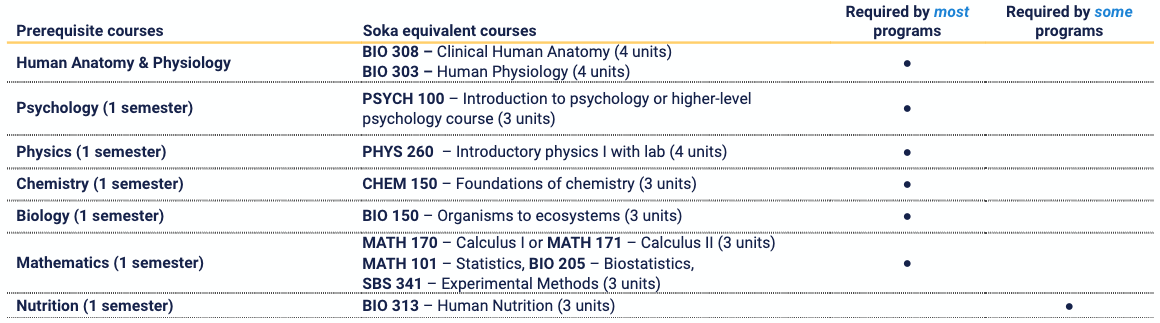
| Prerequisite courses | Soka equivalent courses | Required by most programs | Required by some programs |
| Human Anatomy & Physiology | BIO 308 – Clinical Human Anatomy (4 units) BIO 303 – Human Physiology (4 units) | ● | |
| Psychology (1 semester) | PSYCH 100 – Introduction to psychology or higher-level psychology course (3 units) | ● | |
| Physics (1 semester) | PHYS 260 – Introductory physics I with lab (4 units) | ● | |
| Chemistry (1 semester) | CHEM 150 – Foundations of chemistry (3 units) | ● | |
| Biology (1 semester) | BIO 150 – Organisms to ecosystems (3 units) | ● | |
| Mathematics (1 semester) | MATH 170 – Calculus I or MATH 171 – Calculus II (3 units) MATH 101 – Statistics, BIO 205 – Biostatistics SBS 341 – Experimental Methods (3 units) | ● | |
| Nutrition (1 semester) | BIO 313 – Human Nutrition (3 units) | ● |
Competitive applicants typically demonstrate:
Most programs do not require extensive direct patient care experience before admission, although meaningful observation and healthcare experience are strongly recommended.
Demand for athletic trainers continues to grow as healthcare systems, schools, employers, and athletic organizations increasingly recognize the importance of injury prevention, rehabilitation, and emergency preparedness. Career opportunities extend well beyond traditional sports settings, with expanding roles in hospitals, physician practices, industrial health, military medicine, and performing arts organizations.
Employment opportunities vary by geographic region and practice setting, with graduates enjoying diverse career pathways in both healthcare and performance-focused environments.
Athletic trainers may work in:
Students interested in athletic training may also wish to explore: