Is This Career Right for Me?
| This career may be a good fit if you… | You may prefer another health profession if you… |
|---|---|
|
|
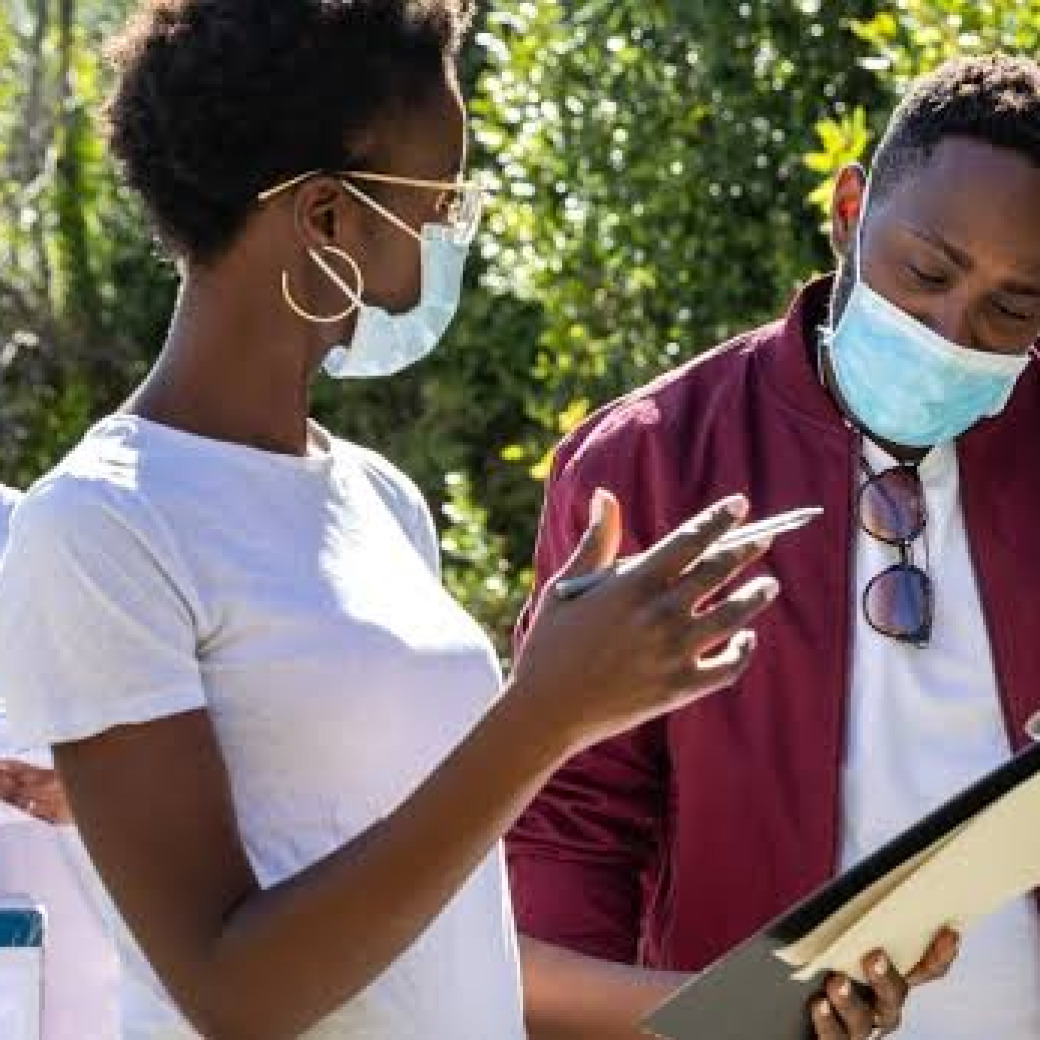

Public health professionals work to improve the health of entire communities and populations rather than treating individual patients. They prevent disease, promote healthy behaviors, respond to public health emergencies, evaluate health programs, conduct research, shape health policy, and address the social, environmental, and economic factors that influence health.
Unlike many clinical health professions, public health is incredibly diverse. Professionals may investigate disease outbreaks, analyze health data, improve maternal and child health, develop health policy, lead nonprofit organizations, manage vaccination campaigns, evaluate healthcare systems, conduct global health research, or advocate for healthier communities. Public health professionals work in local, state, national, and international government agencies, hospitals, nonprofit organizations, universities, research institutes, healthcare systems, consulting firms, and private industry.
Public health emphasizes prevention, health equity, interdisciplinary collaboration, and improving health at the population level.
Professionals often work alongside physicians, nurses, epidemiologists, biostatisticians, environmental scientists, economists,
policymakers, and community leaders to solve complex health challenges.
| This career may be a good fit if you… | You may prefer another health profession if you… |
|---|---|
|
|
A public health professional's day depends on their area of practice. One person may analyze disease surveillance data to identify an outbreak, while another develops health education programs, evaluates healthcare policy, manages nonprofit initiatives, conducts research, or collaborates with community organizations to improve access to care.

Some public health professionals spend much of their time in offices analyzing data or developing policy, while others work directly with communities, government agencies, healthcare systems, humanitarian organizations, or international partners. The profession offers tremendous flexibility and opportunities to address health challenges locally and globally.

Professional Degree
Many public health careers require a Master of Public Health (MPH). Other common graduate degrees include the Master of Science (MS), Master of Health Administration (MHA), Doctor of Public Health (DrPH), and Doctor of Philosophy (PhD).
Length of Graduate School
Typically 1 to 2 years for an MPH and 3 to 7 years for doctoral degrees.
Admissions Exam
Most MPH programs no longer require the GRE, although requirements vary by institution.
Application Process
Most schools accept applications directly through the institution. Some programs participate in the Schools of Public Health Application Service (SOPHAS).
Certification
Certification requirements vary by specialty. Most public health careers do not require professional licensure.
Bachelor’s Degree
Develop a strong foundation in biology, statistics, social sciences, economics, environmental studies, or related fields. Gain experience through research, internships, community service, advocacy, or public health organizations.
Professional Experience (Optional, but Common)
Many students spend one or more years working in research, healthcare, nonprofit organizations, government agencies, consulting, or international development before pursuing graduate study. These experiences help students clarify their interests and strengthen graduate school applications.
Graduate School (1-2 years for most MPH programs)
Complete coursework in epidemiology, biostatistics, environmental health, health policy and management, social and behavioral sciences, and public health practice while participating in applied practice experiences or internships.
Practice
Begin a career in government, healthcare systems, nonprofit organizations, academia, consulting, research, industry, or international organizations.
| Prerequisite courses | Soka equivalent courses | Required by most programs | Required by some programs |
| Statistics | MATH 101 – Statistics, BIO 205 – Biostatistics, SBS 341 – Experimental Methods (3 units) | ● | |
| Biology with lab (1 year) | BIO 150 – Organisms to ecosystems (3 units) BIO 150L–Introductory biology lab (3 units) BIO 151 – Integrated biology and chemistry (3 units)* | ● | |
| Social Sciences (e.g., Psychology, Sociology, Economics, Anthropology, Political Science) | Soka offers many courses in the social sciences Please visit the Soka Public Health Pathway website for suggested courses relevant to public health | ● |

Competitive applicants typically demonstrate:
Unlike many clinical health professions, direct patient care experience is generally not required. Graduate programs often place greater emphasis on leadership, research, service, advocacy, and relevant professional experience.
Public health professionals are employed across nearly every sector of society, including government agencies, healthcare systems, nonprofit organizations, universities, consulting firms, pharmaceutical companies, and international organizations. As the world faces emerging infectious diseases, climate change, chronic disease, aging populations, and growing health disparities, demand continues to grow for professionals who can develop evidence-based solutions to complex health challenges.
One of public health's greatest strengths is its flexibility. Graduates pursue careers in research, policy, advocacy, program management, consulting, global health, healthcare leadership, and many other fields.
Public health professionals may specialize in:
Students interested in public health may also wish to explore: