Is This Career Right for Me?
| This career may be a good fit if you… | You may prefer another health profession if you… |
|---|---|
|
|
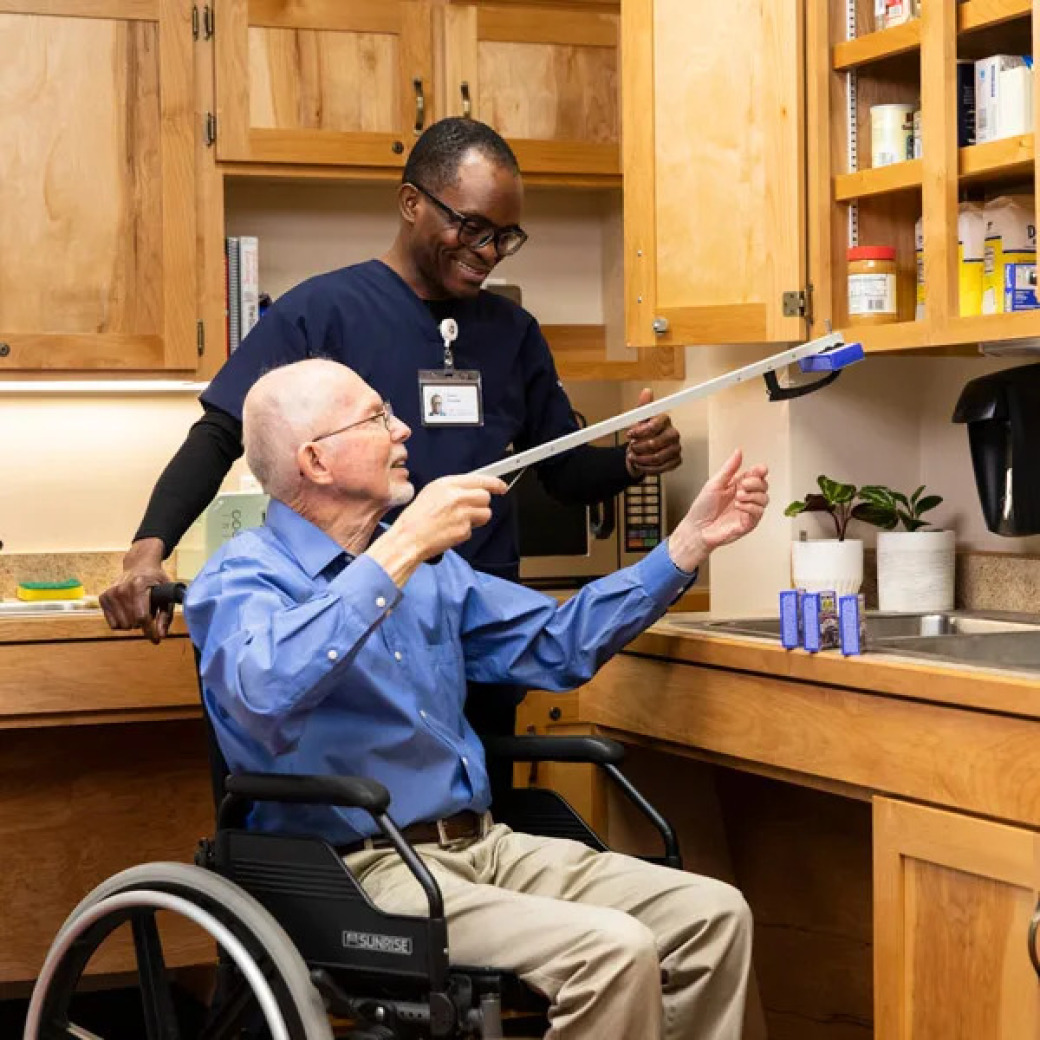
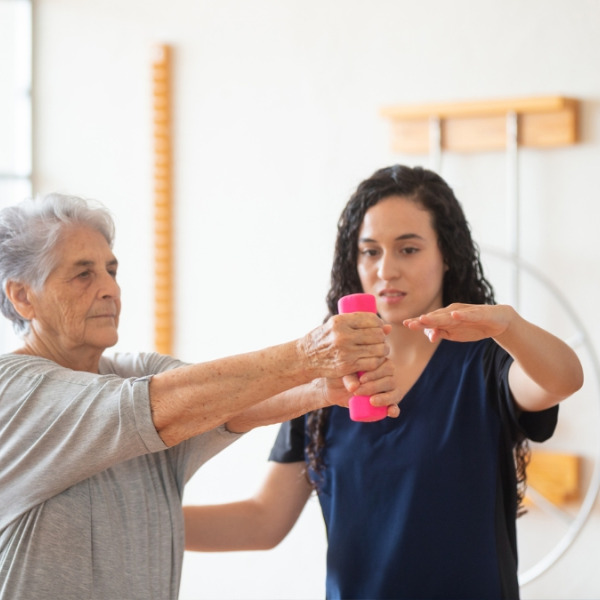
Occupational therapists (OTs) are licensed healthcare professionals who help people of all ages develop, recover, or maintain the skills needed for everyday life. Following illness, injury, disability, or changes associated with aging, occupational therapists work with patients to improve their ability to perform meaningful daily activities, such as dressing, eating, working, attending school, driving, parenting, or participating in hobbies and community life.
Occupational therapists work in hospitals, rehabilitation centers, outpatient clinics, schools, mental health settings, skilled nursing facilities, home health agencies, community organizations, and private practice. They collaborate closely with physicians, physical therapists, speech-language pathologists, nurses, psychologists, social workers, educators, and caregivers to develop individualized treatment plans. The profession combines medical knowledge, rehabilitation science, psychology, creativity, and problem-solving to help people maximize independence and quality of life.
| This career may be a good fit if you… | You may prefer another health profession if you… |
|---|---|
|
|
Occupational therapists evaluate patients' physical, cognitive, emotional, and environmental needs to help them participate in meaningful daily activities. They develop individualized treatment plans that may include therapeutic exercises, adaptive equipment, cognitive rehabilitation, sensory integration, environmental modifications, and education for patients and caregivers.

Depending on the setting, occupational therapists may help a child develop fine motor skills for school, assist a stroke survivor in relearning daily activities, recommend adaptive equipment for an older adult aging safely at home, or help individuals return to work following injury or illness.

Professional Degree
Master of Occupational Therapy (MOT or MSOT) or Doctor of Occupational Therapy (OTD)
Length of Professional School
Typically 2 to 3 years after completing a bachelor’s degree.
Admissions Exam
Most programs do not require a standardized admissions exam, although some may require the GRE.
Application Process
Most programs participate in the Occupational Therapist Centralized Application Service (OTCAS).
Certification
Graduates must pass the National Board for Certification in Occupational Therapy (NBCOT) examination.
Licensure
All states require licensure to practice as an occupational therapist.
Bachelor’s Degree
Complete prerequisite coursework, volunteer or work in rehabilitation or healthcare settings, and observe licensed occupational therapists in practice.
Apply to Professional School
Complete prerequisite courses, obtain letters of recommendation, document required observation hours if applicable, and apply through OTCAS.
Professional School (2-3 years)
Complete coursework in anatomy, neuroscience, kinesiology, rehabilitation, mental health, assistive technology, and evidence-based practice while participating in supervised clinical fieldwork.
Certification
Pass the National Board for Certification in Occupational Therapy (NBCOT) examination and obtain state licensure.
Practice
Begin practicing in hospitals, rehabilitation centers, schools, outpatient clinics, skilled nursing facilities, home health agencies, community organizations, or private practice.
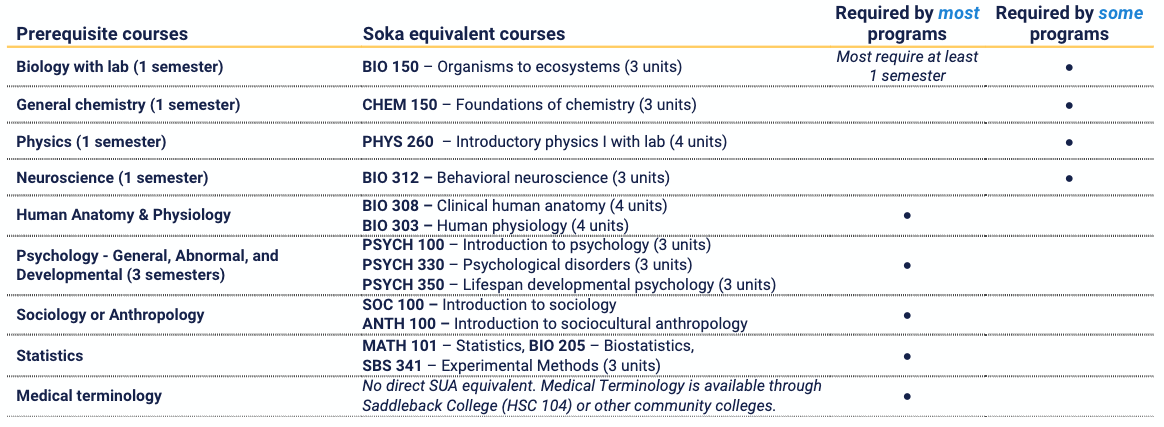
| Prerequisite courses | Soka equivalent courses | Required by most programs | Required by some programs |
| Biology with lab (1 semester) | BIO 150 – Organisms to ecosystems (3 units) | Most require at least 1 semester | ● |
| General chemistry (1 semester) | CHEM 150 – Foundations of chemistry (3 units) | ● | |
| Physics (1 semester) | PHYS 260 – Introductory physics I with lab (4 units) | ● | |
| Neuroscience (1 semester) | BIO 312 – Behavioral neuroscience (3 units) | ● | |
| Human Anatomy & Physiology | BIO 308 – Clinical Human Anatomy (4 units) BIO 303 – Human Physiology (4 units) | ● | |
| Psychology - General, Abnormal, and Developmental (3 semesters) | PSYCH 100 – Introduction to psychology (3 units) PSYCH 330 – Psychological disorders (3 units) PSYCH 350 – Lifespan developmental psychology (3 units) | ● | |
| Sociology or Anthropology | SOC 100 – Introduction to sociology ANTH 100 – Introduction to sociocultural anthropology | ● | |
| Statistics | MATH 101 – Statistics, BIO 205 – Biostatistics, SBS 341 – Experimental Methods (3 units) | ● | |
| Medical terminology | No direct SUA equivalent. Medical Terminology is available through Saddleback College (HSC 104) or other community colleges. | ● |
Competitive applicants typically demonstrate:
Many occupational therapy programs require or strongly recommend documented observation hours with licensed occupational therapists. Students should review each program’s specific requirements early in the application process.
Demand for occupational therapists continues to grow as the population ages and the need for rehabilitation services increases. Advances in medical care have also improved survival following serious illness and injury, increasing demand for professionals who help patients regain independence and function.
Occupational therapists enjoy diverse career opportunities in healthcare, education, community health, mental health, research, and private practice.
Occupational therapists may specialize in:
Students interested in occupational therapy may also wish to explore: