Is This Career Right for Me?
| This career may be a good fit if you… | You may prefer another health profession if you… |
|---|---|
|
|
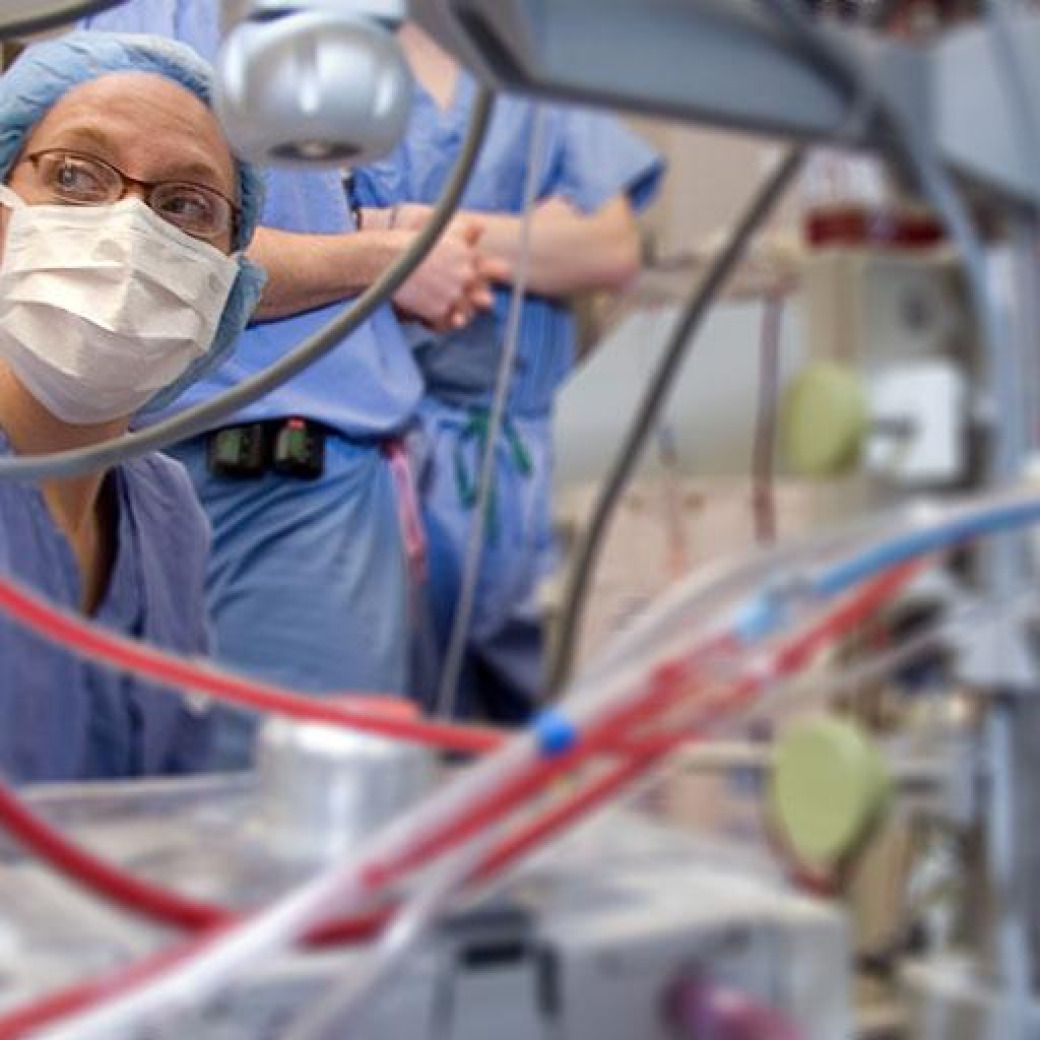
Cardiovascular perfusionists are highly specialized healthcare professionals who operate the heart-lung machine and other advanced life support technologies during cardiac surgery and certain complex medical procedures. By temporarily taking over the functions of the heart and lungs, perfusionists ensure that oxygen-rich blood continues circulating throughout the body while surgeons operate on a stopped heart.
Perfusionists are essential members of the cardiac surgical team, working closely with cardiothoracic surgeons, anesthesiologists, nurses, physician assistants, and other healthcare professionals. In addition to managing cardiopulmonary bypass, perfusionists may operate extracorporeal membrane oxygenation (ECMO) systems, blood conservation technologies, ventricular assist devices (VADs), and other forms of mechanical circulatory support. Most work in hospitals with cardiac surgery programs, although some also practice in pediatric hospitals, transplant centers, or specialized critical care settings. The profession combines physiology, pharmacology, engineering, critical care, and advanced technology in a fast-paced, high-acuity environment.
| This career may be a good fit if you… | You may prefer another health profession if you… |
|---|---|
|
|
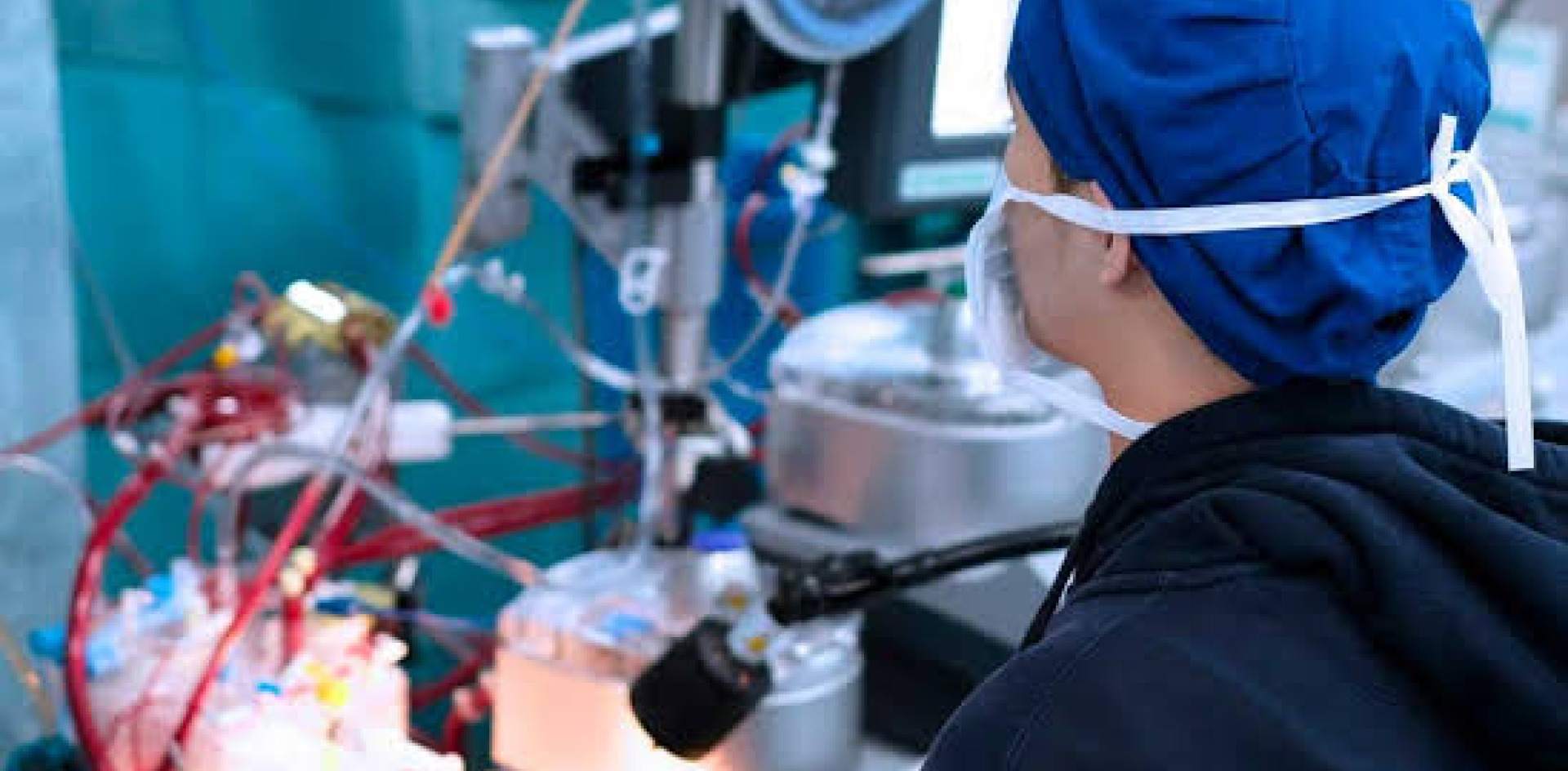
Most cardiovascular perfusionists spend their day in operating rooms, cardiac catheterization laboratories, or intensive care units. Before surgery, they inspect and prepare the heart-lung machine, review the patient's medical history, calculate blood flow requirements, and coordinate with the surgical team.
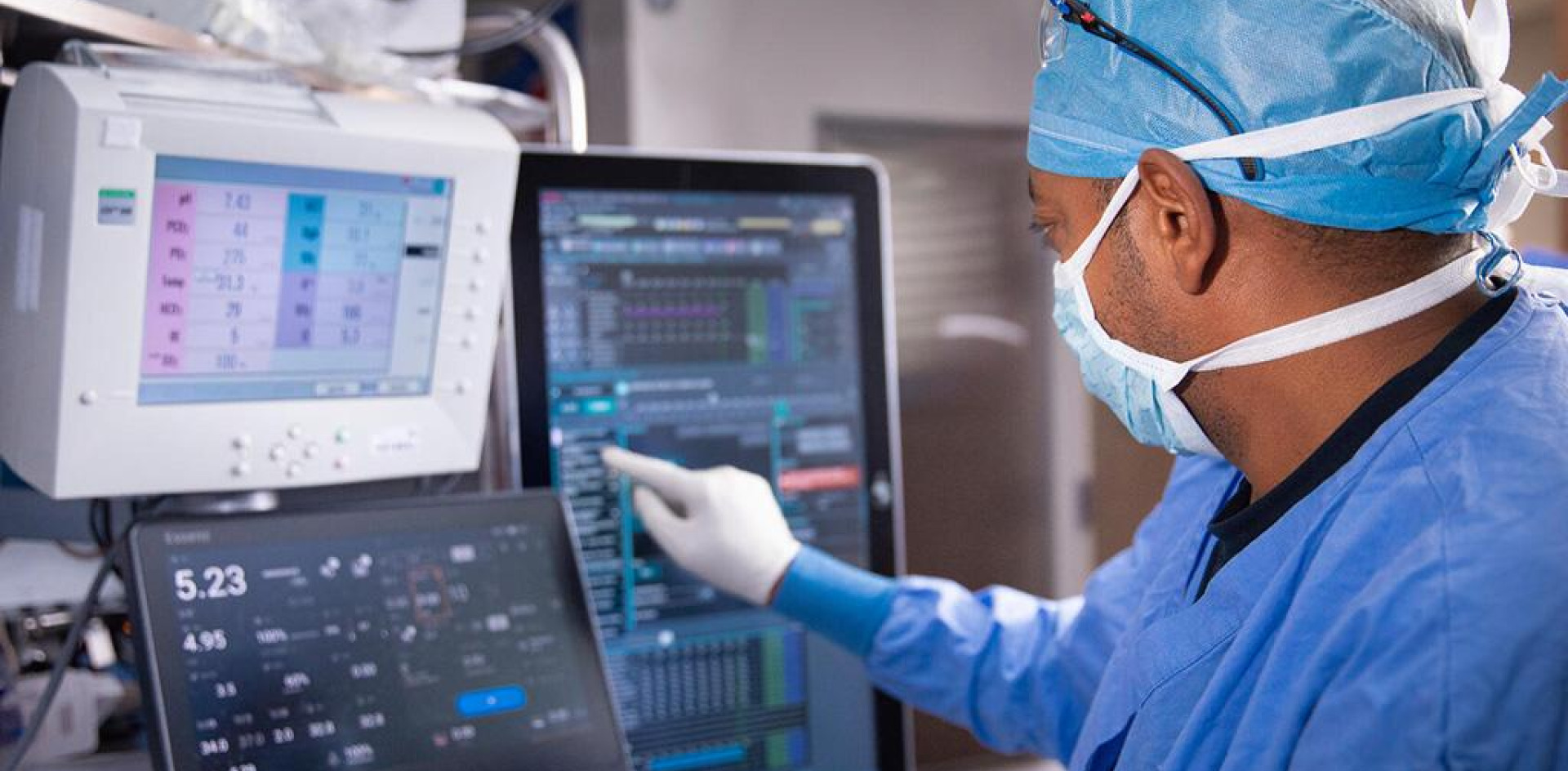
During surgery, perfusionists operate the heart-lung machine, continuously monitor blood flow, oxygenation, blood gases,
anticoagulation, and temperature, and respond immediately to changes in the patient's condition. In some hospitals, perfusionists also manage ECMO systems for critically ill patients, assist with heart and lung transplantation, and provide mechanical circulatory support in intensive care units.
Professional Degree
Master of Science in Cardiovascular Perfusion (MS), Master of Health Science (MHS), or equivalent master’s degree.
Length of Professional School
Typically 2 years after completing a bachelor’s degree.
Admissions Exam
Most programs do not require a standardized admissions exam, although some may require the GRE.
Application Process
Most programs accept applications directly through the institution rather than a centralized application service.
Certification
Graduates become board eligible through the American Board of Cardiovascular Perfusion (ABCP) and earn the Certified Clinical Perfusionist (CCP) credential after meeting examination and clinical case requirements.
Licensure
Licensure requirements vary by state. Many states do not currently require licensure, although employers generally require certification.
Bachelor’s Degree
Complete prerequisite coursework, gain healthcare exposure, and shadow cardiovascular perfusionists or other cardiovascular professionals whenever possible.
Apply to Professional School
Complete prerequisite courses, obtain letters of recommendation, and apply to accredited perfusion programs.
Professional School (Approximately 2 years)
Complete intensive coursework in cardiovascular physiology, pharmacology, pathology, perfusion science, extracorporeal circulation, and critical care while completing extensive supervised clinical training in cardiac surgery and mechanical circulatory support.
Certification
Complete the American Board of Cardiovascular Perfusion certification process and earn the Certified Clinical Perfusionist (CCP) credential.
Practice
Begin practicing in hospitals with cardiac surgery programs, pediatric cardiac centers, transplant centers, or critical care programs.
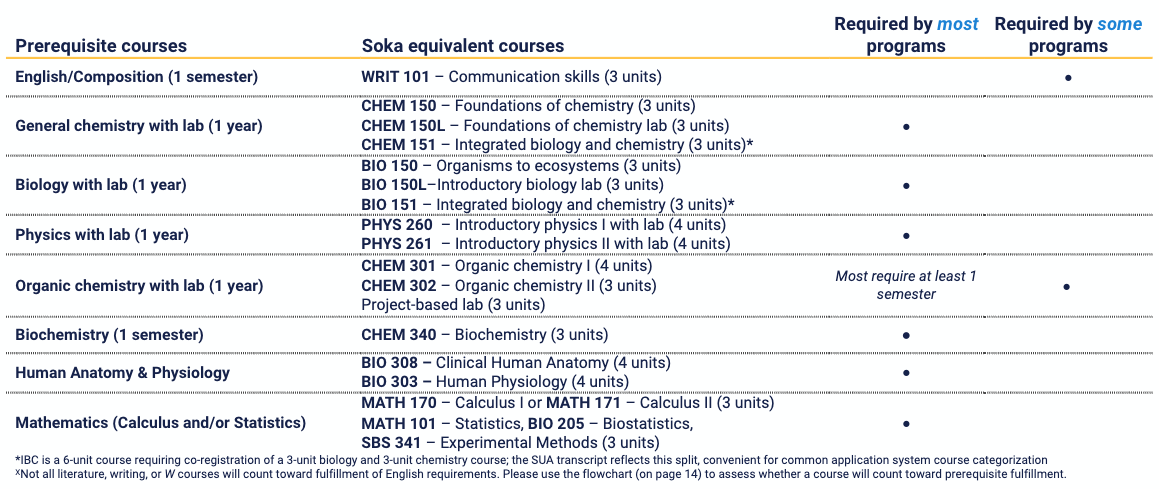
| Prerequisite courses | Soka equivalent courses | Required by most programs | Required by some programs |
| English/Composition (1 semester) | WRIT 101 – Communication skills (3 units) | ● | |
| General chemistry with lab (1 year) | CHEM 150 – Foundations of chemistry (3 units) CHEM 150L – Foundations of chemistry lab (3 units) CHEM 151 – Integrated biology and chemistry (3 units)* | ● | |
| Biology with lab (1 year) | BIO 150 – Organisms to ecosystems (3 units) BIO 150L–Introductory biology lab (3 units) BIO 151 – Integrated biology and chemistry (3 units)* | ● | |
| Physics with lab (1 year) | PHYS 260 – Introductory physics I with lab (4 units) PHYS 261 – Introductory physics II with lab (4 units) | ● | |
| Organic chemistry with lab (1 year) | CHEM 301 – Organic chemistry I (4 units) CHEM 302 – Organic chemistry II (3 units) Project-based lab (3 units) | Most require at least 1 semester | ● |
| Biochemistry (1 semester) | CHEM 340 – Biochemistry (3 units) | ● | |
| Human Anatomy & Physiology | BIO 308 – Clinical Human Anatomy (4 units) BIO 303 – Human Physiology (4 units) | ● | |
| Mathematics (Calculus and/or Statistics) | BMATH 170 – Calculus I or MATH 171 – Calculus II (3 units) MATH 101 – Statistics, BIO 205 – Biostatistics, SBS 341 – Experimental Methods (3 units) | ● |
* IBC is a 6-unit course requiring co-registration of a 3-unit biology and 3-unit chemistry course; the SUA transcript reflects this split, convenient for common application system course categorization
x Not all literature, writing, or W courses will count toward fulfillment of English requirements. Please use the flowchart (on HPA handbook page 14) to assess whether a course will count toward prerequisite fulfillment.
Competitive applicants typically demonstrate:
Most perfusion programs do not require extensive direct patient care experience before admission, although meaningful healthcare experience and shadowing are strongly recommended.
Demand for cardiovascular perfusionists remains strong due to the specialized nature of the profession, advances in cardiac surgery, increasing use of ECMO and mechanical circulatory support, and an aging population with cardiovascular disease. Because accredited perfusion programs graduate relatively few students each year, employment opportunities are generally excellent for well-trained graduates.
Most perfusionists work in hospitals and academic medical centers, with additional opportunities in pediatric hospitals, transplant centers, research institutions, and the medical device industry.
Cardiovascular perfusionists may work in:
Students interested in cardiovascular perfusion may also wish to explore: