Is This Career Right for Me?
| This career may be a good fit if you… | You may prefer another health profession if you… |
|---|---|
|
|
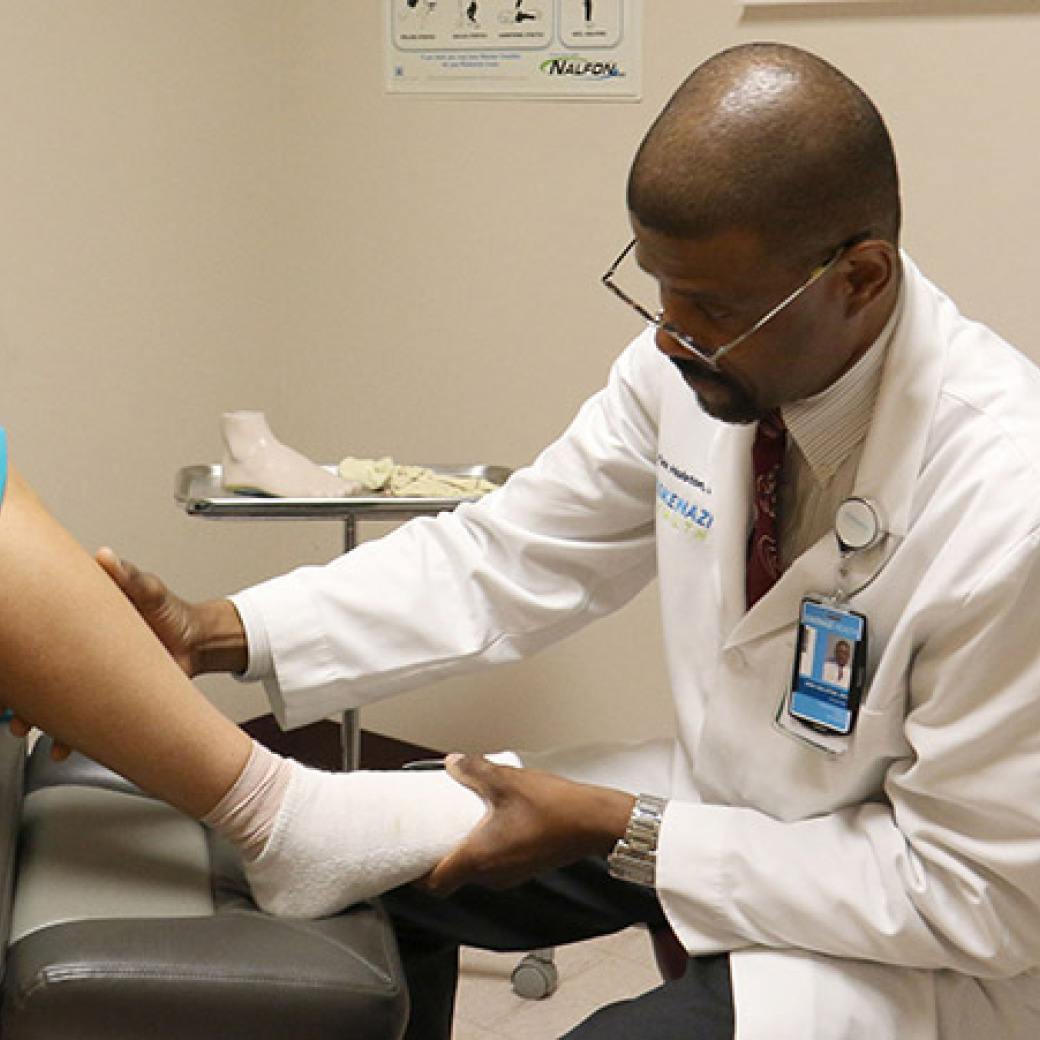
Podiatric physicians, also known as Doctors of Podiatric Medicine (DPMs), are physicians and surgeons who specialize in the
prevention, diagnosis, treatment, and rehabilitation of conditions affecting the foot, ankle, and lower extremity. They care for patients of all ages with injuries, congenital conditions, chronic diseases, infections, deformities, and disorders that affect mobility and quality of life.
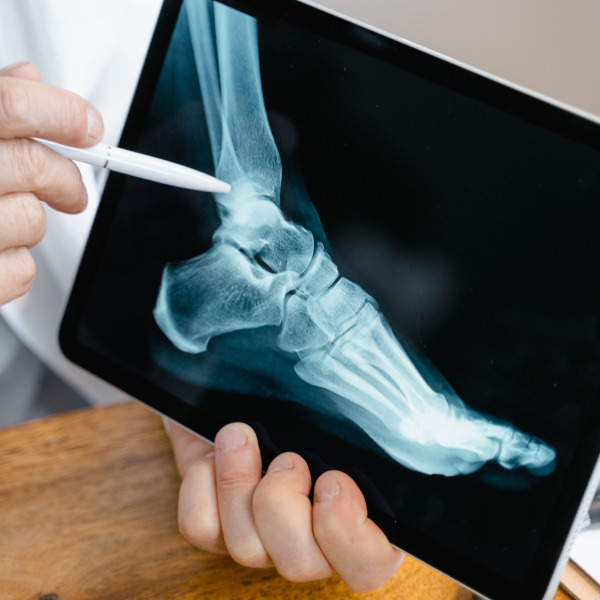
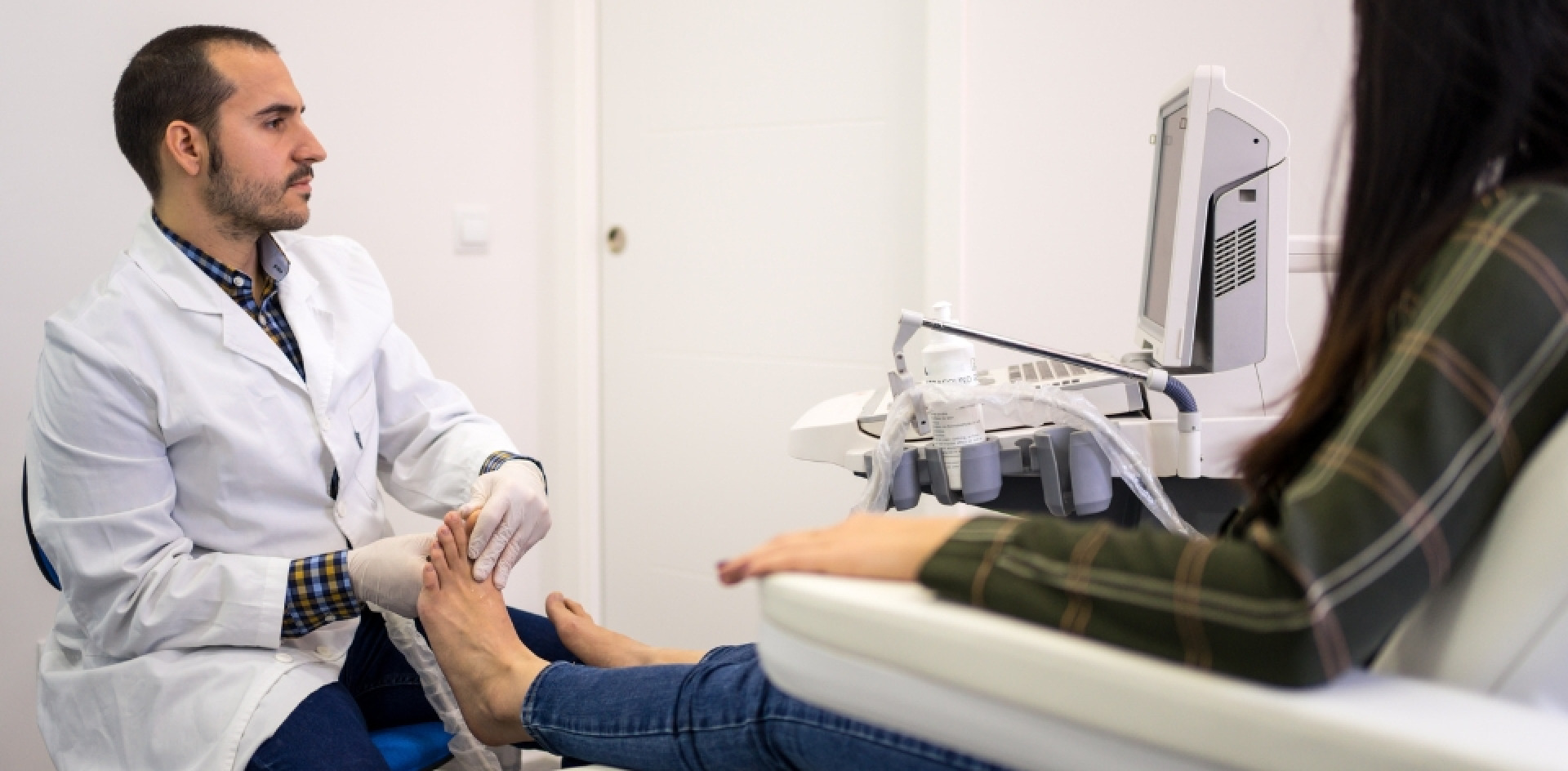
Podiatric physicians provide both medical and surgical care. They diagnose fractures, treat sports injuries, manage diabetic foot complications, perform reconstructive surgery, prescribe medications, order and interpret diagnostic imaging, and help patients prevent limb-threatening complications associated with diabetes and vascular disease. They work in private practices, hospitals, multidisciplinary medical groups, orthopedic practices, wound care centers, Veterans Health Administration facilities, and academic medical centers. The profession combines medicine, surgery, biomechanics, and long-term patient care.
| This career may be a good fit if you… | You may prefer another health profession if you… |
|---|---|
|
|
Podiatric physicians divide their time between clinic and, for many, the operating room. In clinic, they evaluate patients, diagnose foot and ankle conditions, interpret imaging studies, prescribe medications and orthotics, perform in-office procedures, and develop treatment plans. Many also provide preventive care for patients with diabetes or circulatory disease to reduce the risk of ulcers and amputations.
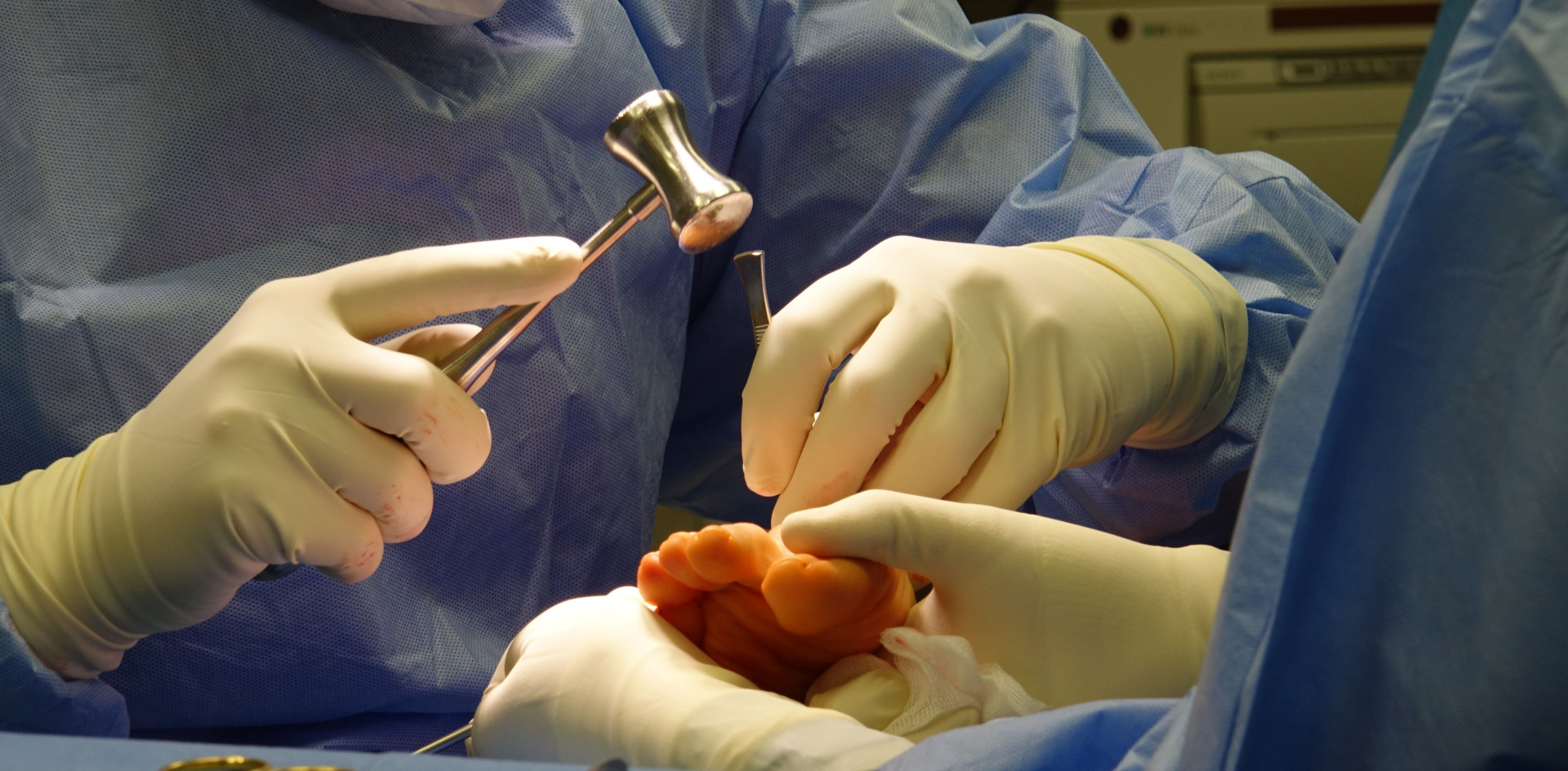
Depending on their practice, podiatric physicians perform surgeries ranging from bunion correction and fracture repair to tendon reconstruction, sports injury procedures, limb salvage, and complex reconstructive surgery. They work closely with orthopedic surgeons, vascular surgeons, endocrinologists, primary care physicians, physical therapists, and other healthcare professionals.
Professional Degree
Doctor of Podiatric Medicine (DPM)
Length of Professional School
Typically 4 years after completing a bachelor’s degree.
Admissions Exam
Most programs require the Medical College Admission Test (MCAT).
Application Process
Most programs participate in the American Association of Colleges of Podiatric Medicine Application Service (AACPMAS).
Residency Training
After earning a DPM degree, graduates complete a three-year hospital-based residency in podiatric medicine and surgery before entering independent practice.
Licensure
Graduates must pass the American Podiatric Medical Licensing Examination (APMLE) and meet state licensure requirements.
Bachelor’s Degree
Complete prerequisite coursework, gain clinical exposure through volunteering or shadowing, and learn about podiatric medicine through physicians practicing in a variety of settings.
Apply to Professional School
Complete prerequisite courses, prepare for the MCAT, obtain letters of recommendation, and apply through AACPMAS.
Professional School (4 years)
Complete coursework in anatomy, physiology, pathology, pharmacology, surgery, biomechanics, and clinical medicine while participating in extensive clinical rotations.
Residency (3 years)
Complete hospital-based residency training in podiatric medicine and surgery with experience in reconstructive surgery, trauma, diabetic limb salvage, wound care, sports medicine, and other specialties.
Licensure
Pass the American Podiatric Medical Licensing Examination (APMLE) and obtain state licensure.
Practice
Begin practicing in private practice, hospitals, orthopedic groups, wound care centers, multidisciplinary clinics, or academic medical centers.
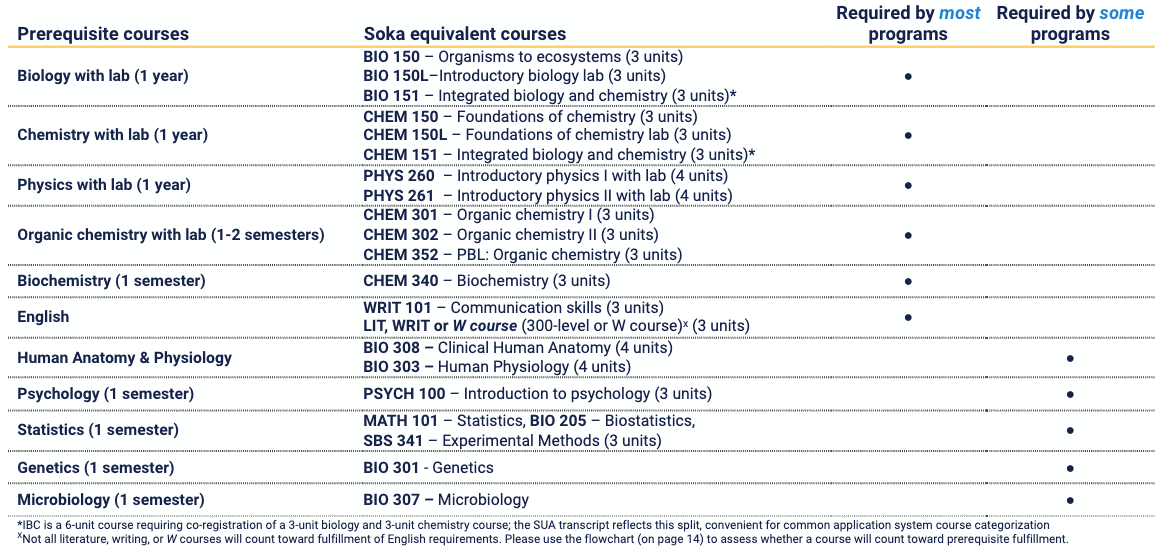
| Prerequisite courses | Soka equivalent courses | Required by most programs | Required by some programs |
| Biology with lab (1 year) | BIO 150 – Organisms to ecosystems (3 units) BIO 150L–Introductory biology lab (3 units) BIO 151 – Integrated biology and chemistry (3 units)* | ● | |
| Chemistry with lab (1 year) | CHEM 150 – Foundations of chemistry (3 units) CHEM 150L – Foundations of chemistry lab (3 units) CHEM 151 – Integrated biology and chemistry (3 units)* | ● | |
| Physics with lab (1 year) | PHYS 260 – Introductory physics I with lab (4 units) PHYS 261 – Introductory physics II with lab (4 units) | ● | |
| Organic chemistry with lab (1-2 semesters) | CHEM 301 – Organic chemistry I (4 units) CHEM 302 – Organic chemistry II (3 units) CHEM 352 – PBL: Organic chemistry (3 units) | ● | |
| Biochemistry (1 semester) | CHEM 340 – Biochemistry (3 units) | ● | |
| English | WRIT 101 – Communication skills (3 units) LIT, WRIT or W course (300-level or W course)x (3 units) | ● | |
| Human Anatomy & Physiology | BIO 308 – Clinical Human Anatomy (4 units) BIO 303 – Human Physiology (4 units) | ● | |
| Psychology (1 semester) | PSYCH 100 – Introduction to psychology (3 units) | ● | |
| Statistics (1 semester) | MATH 101 – Statistics, BIO 205 – Biostatistics, SBS 341 – Experimental Methods (3 units) | ● | |
| Genetics (1 semester) | BIO 301 – Genetics (3 units) | ● | |
| Microbiology (1 semester) | BIO 307 – Microbiology (3 units) | ● |
* IBC is a 6-unit course requiring co-registration of a 3-unit biology and 3-unit chemistry course; the SUA transcript reflects this split, convenient for common application system course categorization
x Not all literature, writing, or W courses will count toward fulfillment of English requirements. Please use the flowchart (on HPA handbook page 14) to assess whether a course will count toward prerequisite fulfillment.
Competitive applicants typically demonstrate:
Unlike physician assistant programs, extensive direct patient care experience is generally not required before admission. However, shadowing podiatric physicians and gaining meaningful healthcare exposure are strongly recommended.
Demand for podiatric physicians continues to grow as the population ages and the prevalence of diabetes, obesity, and musculoskeletal disorders increases. Advances in limb preservation, reconstructive surgery, and sports medicine continue to expand opportunities for podiatric physicians in hospitals, multidisciplinary medical groups, and private practice.
The profession offers an excellent balance of medicine and surgery while allowing physicians to develop long-term relationships with patients and significantly improve mobility and quality of life.
Podiatric physicians may specialize in:
Students interested in podiatric medicine may also wish to explore: