Is This Career Right for Me?
| This career may be a good fit if you… | You may prefer another health profession if you… |
|---|---|
|
|
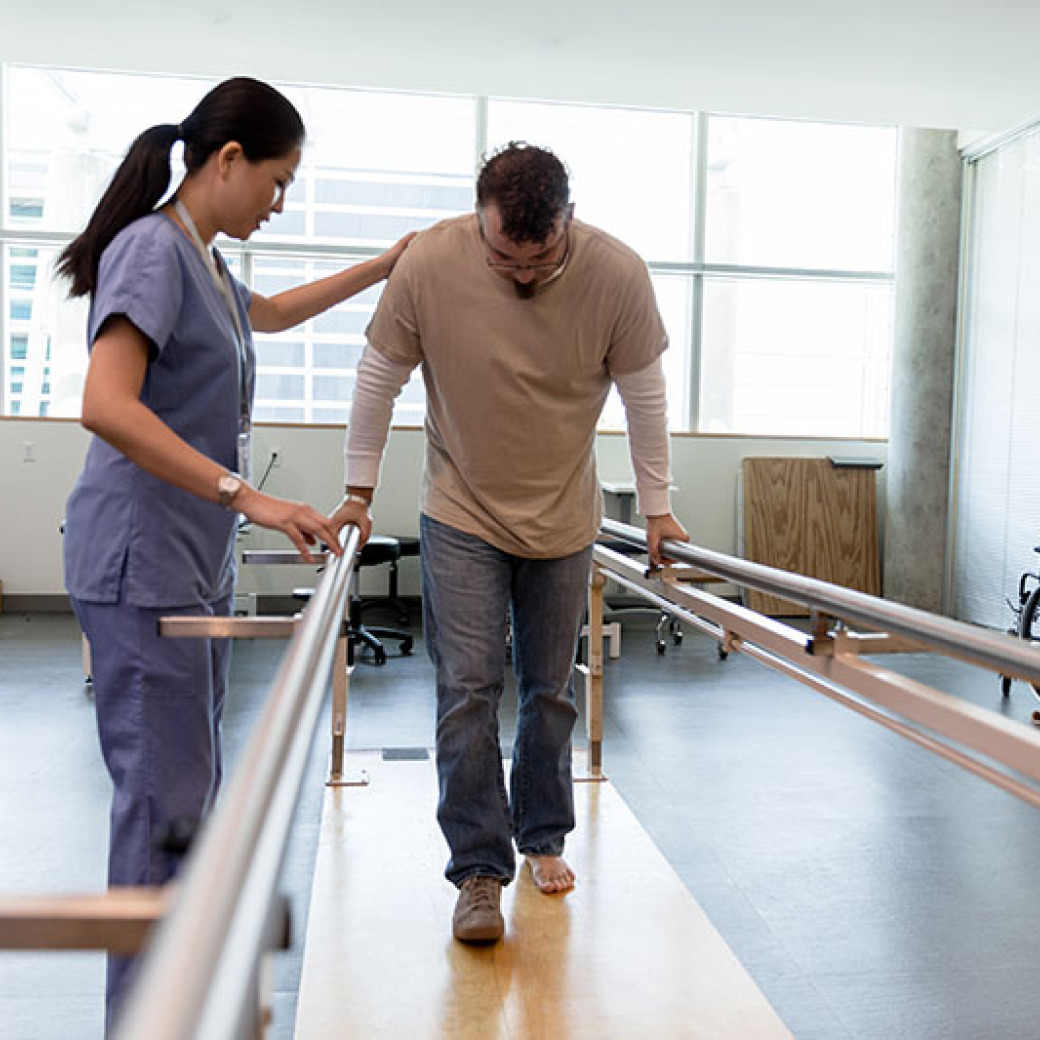
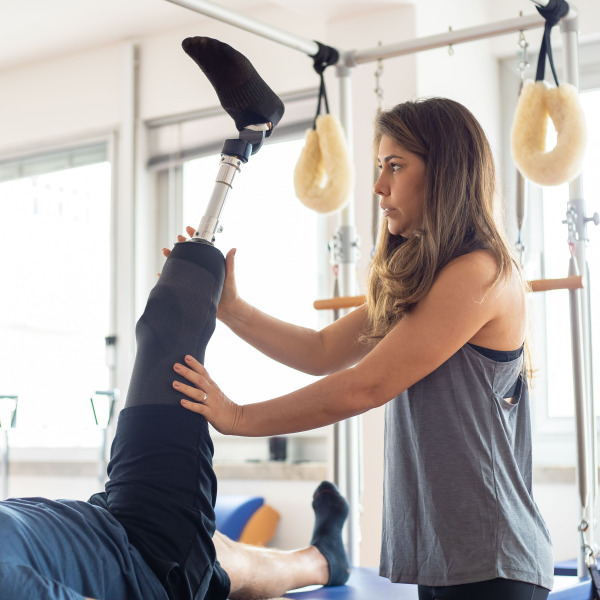
Physical therapists (PTs) are licensed healthcare professionals who help people improve movement, reduce pain, restore function, and prevent disability following injury, illness, surgery, or changes associated with aging. Through examination, diagnosis, and individualized treatment plans, physical therapists help patients regain mobility, improve strength and balance, recover from neurological conditions, and return to work, sports, and everyday activities.
Physical therapists care for patients across the lifespan, from infants with developmental conditions to older adults recovering from joint replacement or stroke. They work in hospitals, outpatient orthopedic clinics, rehabilitation centers, sports medicine practices, skilled nursing facilities, schools, home health agencies, and community health settings. The profession combines anatomy, biomechanics, neuroscience, exercise science, and patient education while emphasizing evidence-based, patient-centered care.
| This career may be a good fit if you… | You may prefer another health profession if you… |
|---|---|
|
|
Physical therapists spend much of their day evaluating patients, developing individualized treatment plans, supervising therapeutic exercise, performing hands-on treatments, educating patients, and monitoring progress toward recovery goals. Depending on the setting, they may help patients recover from orthopedic injuries, stroke, neurological disorders, surgery, chronic pain, or sports injuries.
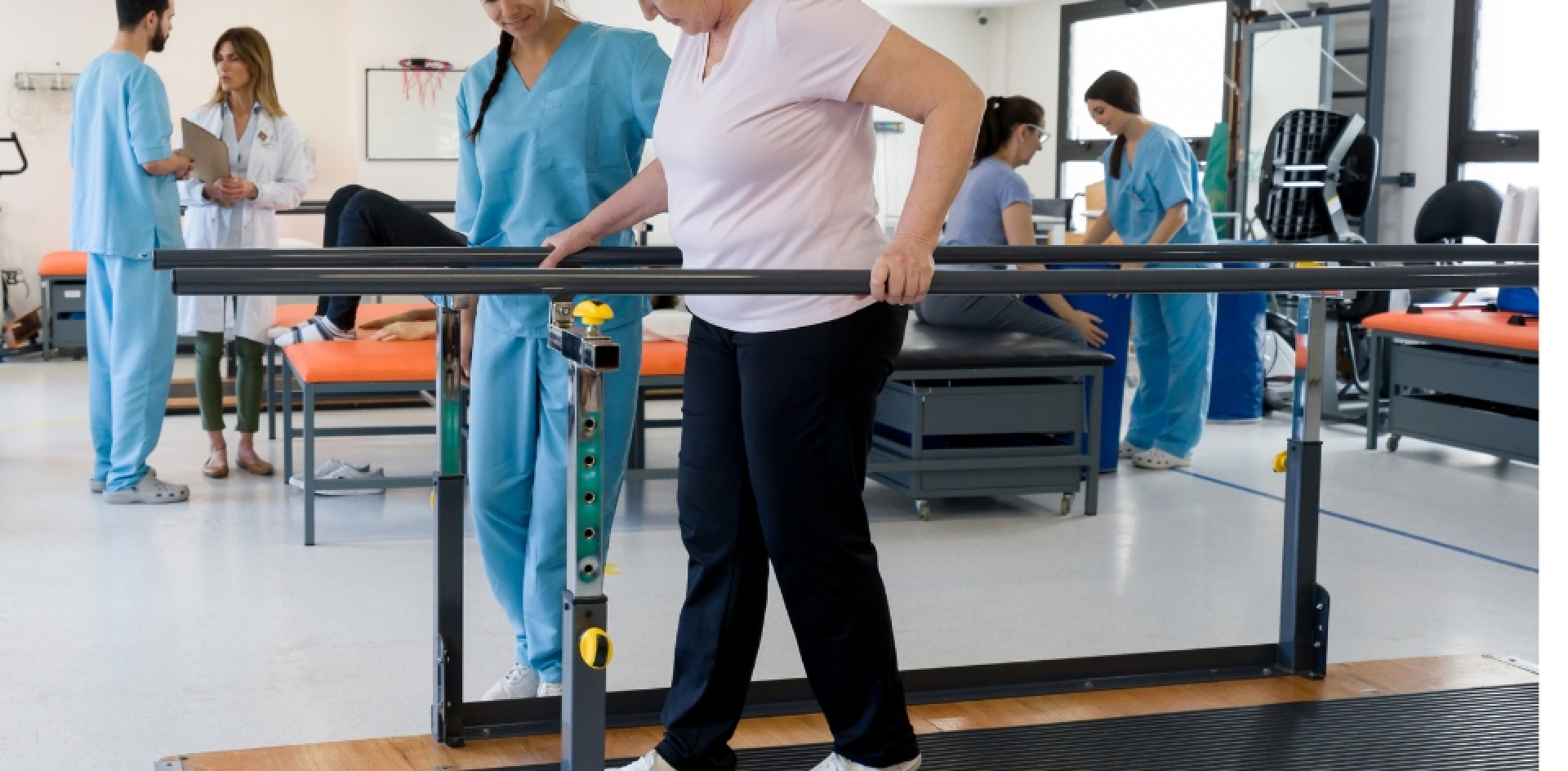
Many physical therapists develop long-term relationships with patients over weeks or months as they guide recovery and help individuals safely return to work, sports, or everyday activities.
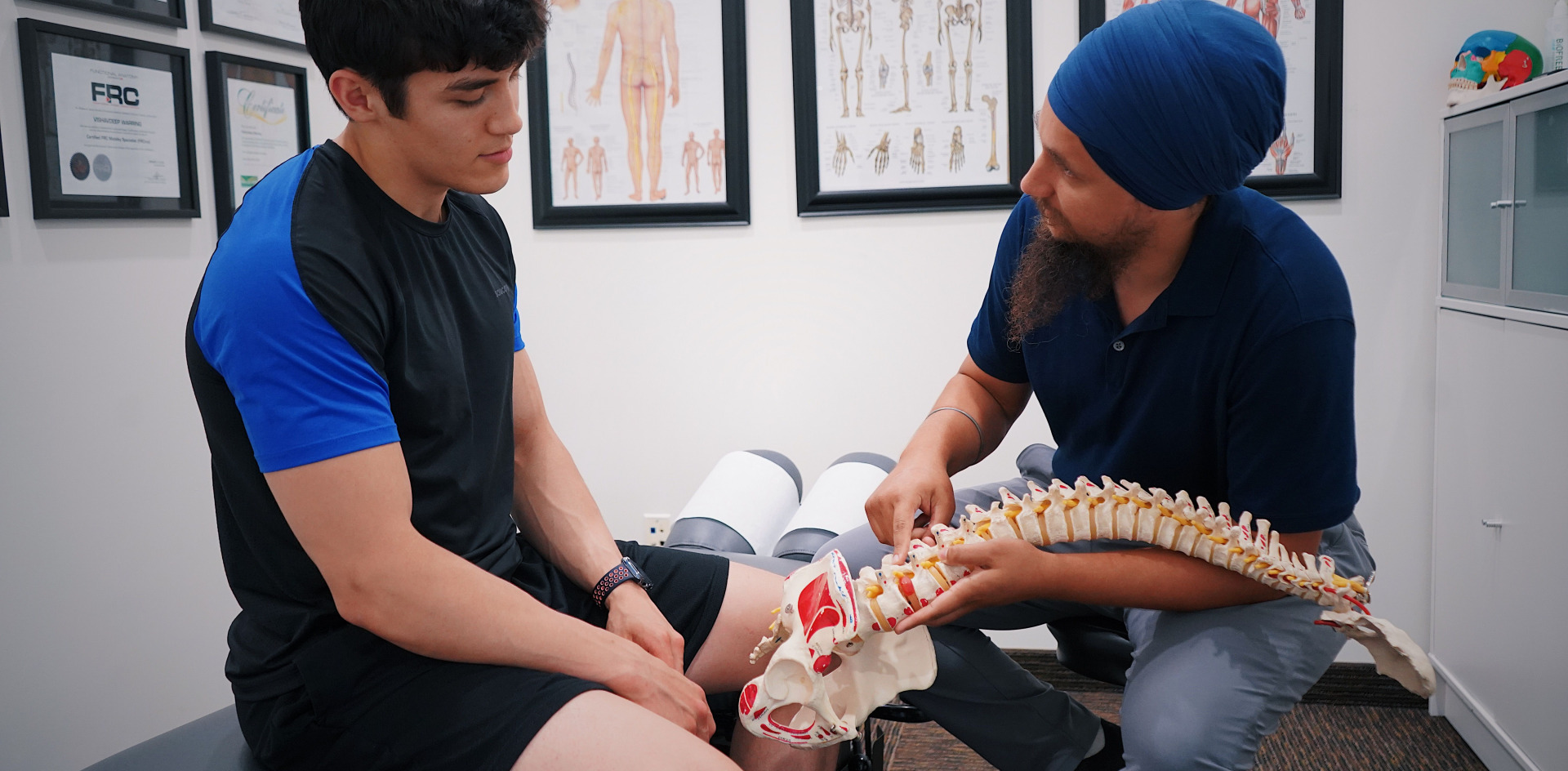
Professional Degree
Doctor of Physical Therapy (DPT)
Length of Professional School
Typically 3 years after completing a bachelor’s degree.
Admissions Exam
Many programs no longer require the GRE, although some continue to do so. Requirements vary by school.
Application Process
Most programs participate in the Physical Therapist Centralized Application Service (PTCAS).
Licensure
Graduates must pass the National Physical Therapy Examination (NPTE) and meet state licensure requirements.
Optional Residency and Fellowship
Some graduates complete post-professional residency or fellowship training in specialties such as orthopedics, sports, neurology, pediatrics, geriatrics, women’s health, or cardiovascular and pulmonary physical therapy.
Bachelor’s Degree
Complete prerequisite coursework while gaining exposure to physical therapy through volunteer work, observation hours, or employment in rehabilitation or healthcare settings.
Apply to Professional School
Complete prerequisite courses, obtain letters of recommendation, document observation hours if required, and apply through PTCAS.
Professional School (3 years)
Complete coursework in anatomy, physiology, biomechanics, neuroscience, pathology, pharmacology, therapeutic exercise, and rehabilitation while participating in extensive supervised clinical rotations across multiple practice settings.
Licensure
Pass the National Physical Therapy Examination (NPTE) and obtain state licensure.
Practice
Begin practicing in hospitals, outpatient clinics, rehabilitation centers, sports medicine practices, schools, home health agencies, skilled nursing facilities, or other healthcare settings.
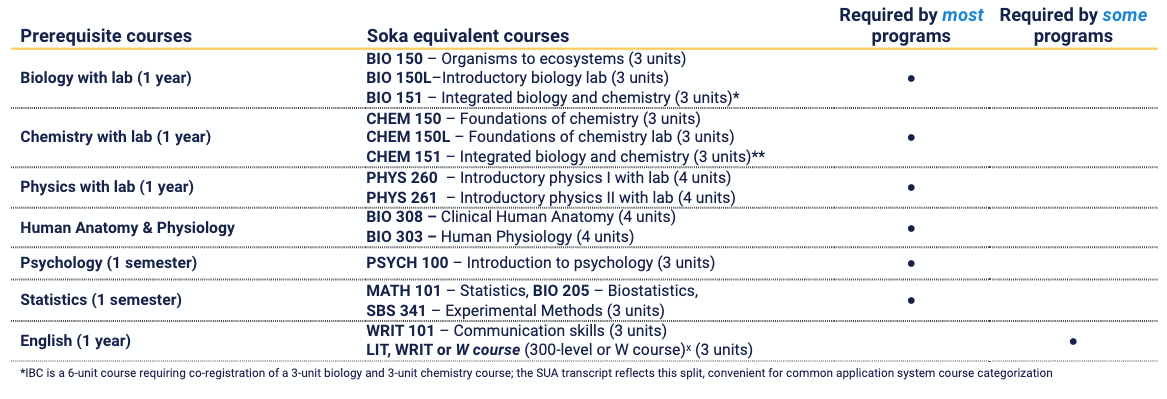
| Prerequisite courses | Soka equivalent courses | Required by most programs | Required by some programs |
| Biology with lab (1 year) | BIO 150 – Organisms to ecosystems (3 units) BIO 150L–Introductory biology lab (3 units) BIO 151 – Integrated biology and chemistry (3 units)* | ● | |
| Chemistry with lab (1 year) | CHEM 150 – Foundations of chemistry (3 units) CHEM 150L – Foundations of chemistry lab (3 units) CHEM 151 – Integrated biology and chemistry (3 units)* | ● | |
| Physics with lab (1 year) | PHYS 260 – Introductory physics I with lab (4 units) PHYS 261 – Introductory physics II with lab (4 units) | ● | |
| Human Anatomy & Physiology | BIO 308 – Clinical Human Anatomy (4 units) BIO 303 – Human Physiology (4 units) | ● | |
| Psychology (1 semester) | PSYCH 100 – Introduction to psychology (3 units) | ● | |
| Statistics (1 semester) | MATH 101 – Statistics, BIO 205 – Biostatistics, SBS 341 – Experimental Methods (3 units) | ● | |
| English (1 year) | WRIT 101 – Communication skills (3 units) LIT, WRIT or W course (300-level or W course)x (3 units) | ● |
* IBC is a 6-unit course requiring co-registration of a 3-unit biology and 3-unit chemistry course; the SUA transcript reflects this split, convenient for common application system course categorization
Competitive applicants typically demonstrate:
Many physical therapy programs require or strongly recommend documented observation hours in one or more physical therapy settings. Students should review individual program requirements early in the application process.
Demand for physical therapists is expected to continue growing as the population ages and more individuals seek rehabilitation following injury, surgery, stroke, and chronic disease. Advances in medical care have also increased survival after serious illness and injury, creating greater demand for rehabilitation professionals.
Physical therapists enjoy diverse career opportunities in healthcare, education, research, athletics, industry, and private practice.
Physical therapists may specialize in:
Students interested in physical therapy may also wish to explore: