Is This Career Right for Me?
| This career may be a good fit if you… | You may prefer another health profession if you… |
|---|---|
|
|
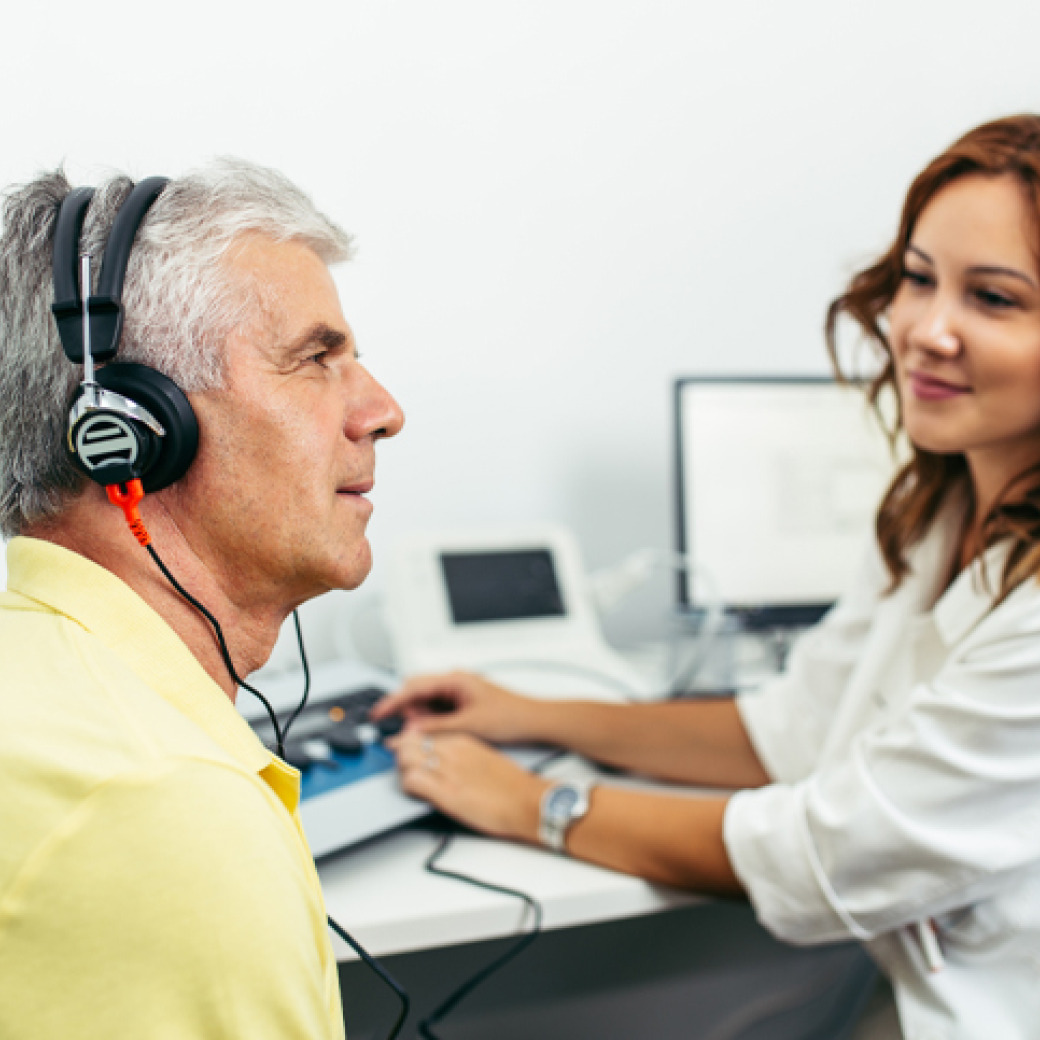
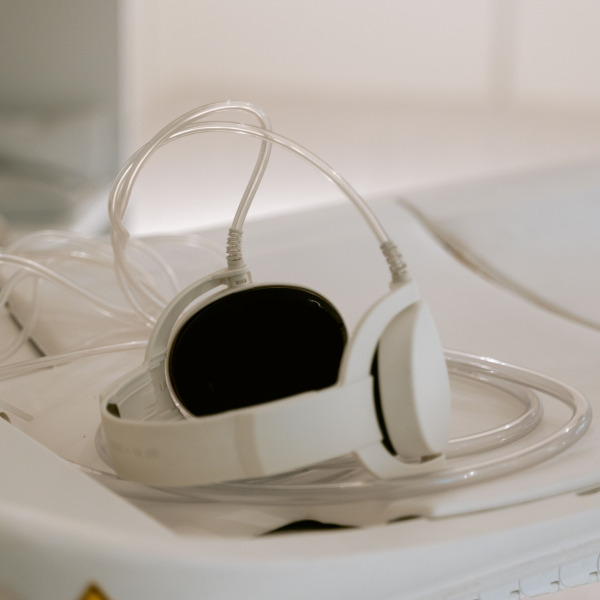
Audiologists are licensed healthcare professionals who specialize in the prevention, identification, diagnosis, and treatment of hearing and balance disorders. They evaluate hearing loss, tinnitus, dizziness, and vestibular disorders; prescribe and program hearing aids and other assistive listening devices; provide auditory rehabilitation; and help patients improve communication and quality of life.
Audiologists care for patients of all ages, from newborns undergoing hearing screening to older adults experiencing age-related hearing loss. They work in hospitals, private practices, otolaryngology (ENT) clinics, schools, universities, rehabilitation centers, Veterans Health Administration facilities, cochlear implant centers, and research settings. The profession combines neuroscience, anatomy, technology, patient education, and compassionate care to help individuals maintain hearing, communication, and balance throughout life.
| This career may be a good fit if you… | You may prefer another health profession if you… |
|---|---|
|
|
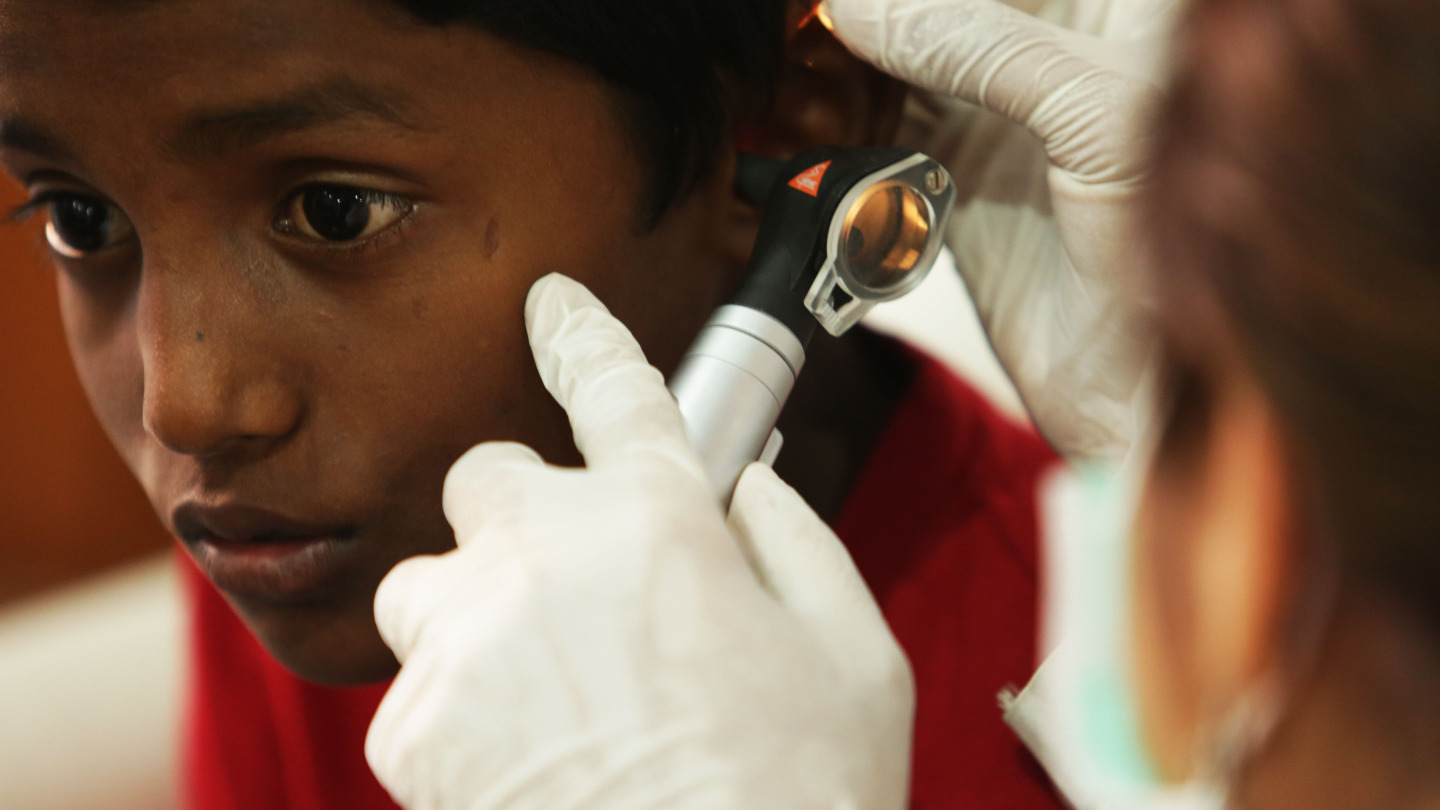
Audiologists spend much of their day performing hearing and balance evaluations, interpreting diagnostic tests, fitting and programming hearing aids, counseling patients and families, and developing individualized treatment plans. They also provide hearing conservation services, auditory rehabilitation, cochlear implant programming, tinnitus management, and vestibular assessment and rehabilitation.
Depending on the practice setting, audiologists may care for infants, children, adults, or older adults. Many develop long-term
relationships with patients who return regularly for hearing aid adjustments, rehabilitation, and ongoing hearing care.
Professional Degree
Doctor of Audiology (AuD)
Length of Professional School
Typically 4 years after completing a bachelor’s degree.
Admissions Exam
Most programs do not require a standardized admissions exam, although some may require the GRE.
Application Process
Most programs participate in the Communication Sciences and Disorders Centralized Application Service (CSDCAS).
Licensure
Graduates must meet state licensure requirements to practice.
Certification
Many audiologists also earn the Certificate of Clinical Competence in Audiology (CCC-A) through the American SpeechLanguage-Hearing Association (ASHA) or Board Certification through the American Board of Audiology (ABA).
Bachelor’s Degree
Complete prerequisite coursework, explore careers in hearing and balance healthcare, volunteer or shadow audiologists, and gain experience working with diverse populations.
Apply to Professional School
Complete prerequisite courses, obtain letters of recommendation, and apply through CSDCAS or directly to programs.
Professional School (4 years)
Complete coursework in hearing science, anatomy and physiology, neuroscience, acoustics, amplification technology, vestibular disorders, diagnostics, counseling, and rehabilitation while completing extensive supervised clinical experiences.
Licensure
Complete state licensure requirements and any required clinical training.
Practice
Begin practicing in hospitals, ENT clinics, private practices, schools, rehabilitation centers, cochlear implant programs, or other healthcare settings.
| Prerequisite courses | Soka equivalent courses | Required by most programs | Required by some programs |
| Statistics | MATH 101 – Statistics or BIO 205 Biostatistics (3 units) | ● | |
| Biological and/or physical science (3 units) | BIO 150 – Organisms to ecosystems (3 units) PHYS 260 – Introductory physics I with lab (4 units) | ● | |
| Courses in Audiology/Speech | Not currently offered | ● | |
| Social/Behavioral Science | Most SBS courses fulfill this requirement | ● |

Competitive applicants typically demonstrate:
Most programs do not require extensive direct patient care experience before admission, although meaningful observation and healthcare experience strengthen an application.
Demand for audiologists is expected to grow as the population ages and awareness of hearing health continues to increase. Advances in hearing technology, expanded newborn hearing screening programs, and greater recognition of hearing loss as an important public health issue continue to create new career opportunities.
Audiologists enjoy diverse career options in clinical practice, hospitals, private practice, education, research, industry, and the Veterans Health Administration.
Audiologists may specialize in:
Students interested in audiology may also wish to explore: